
How to choose running gloves that keep hands warm
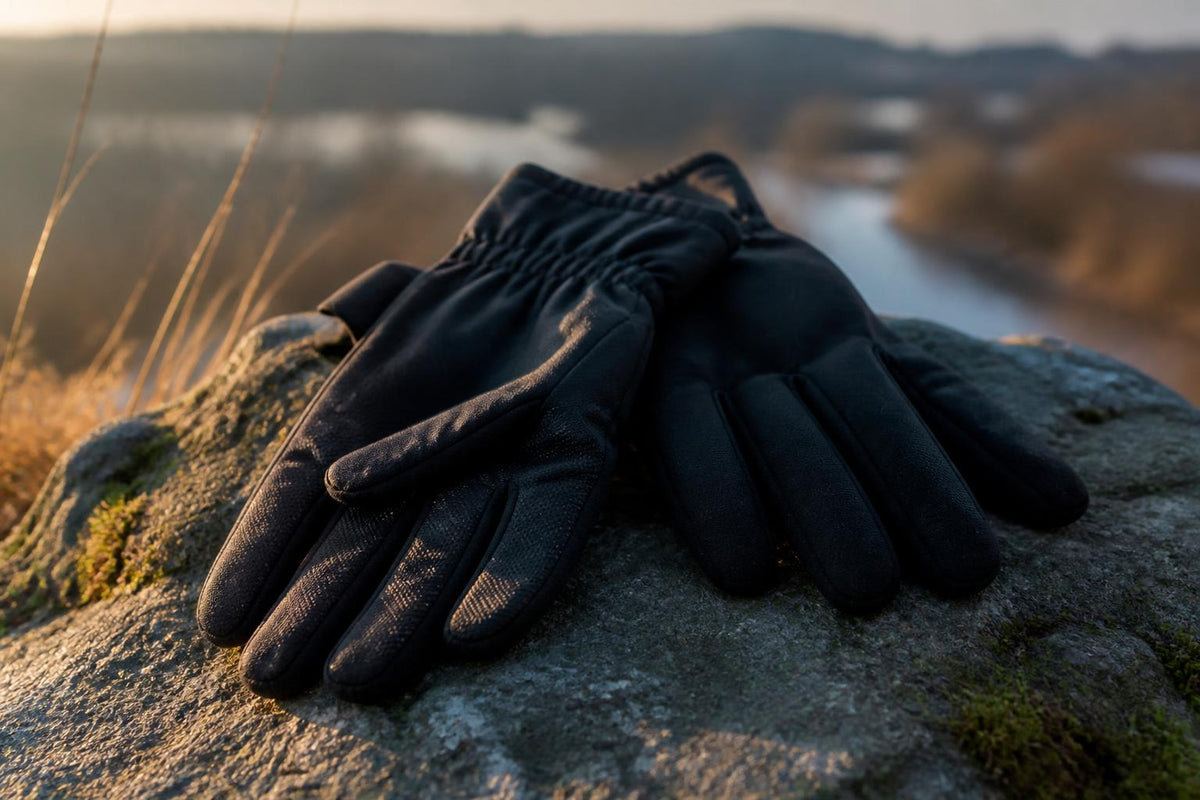
The best running gloves for keeping your hands warm are not always the thickest pair. Warmth on the run comes from matching the glove to the weather, your pace, and how your hands usually respond once you get moving. A glove that feels cosy while you are standing still can become sweaty and clammy after ten minutes, while a very light pair can be enough on a cool morning if you warm up quickly.
For most UK runners, the sensible approach is to think in layers of protection. Dry but chilly days often call for a lighter glove than wet, windy ones. A short social run near home needs less margin for error than a long winter outing where soaked gloves can become a real nuisance. If you choose well, warm running gloves should keep your hands comfortable without making them overheat or leaving your fingers too bulky to use a zip, watch or phone.
What makes running gloves feel warm on the run
Gloves feel warm because they help your hands hold onto heat that your body is already producing. That sounds obvious, but it matters because your hands do not warm themselves independently. If the rest of you is underdressed, your body will prioritise your core and reduce blood flow to your fingers. In practice, that means gloves alone cannot fully solve cold hands if your torso is too cold.
Air temperature is only the starting point. In the UK, wind often makes more difference than the number on the forecast. A still 4°C morning can feel manageable in a light fleece glove. A windy 8°C day on an exposed path can leave your fingers numb in the same pair. Wind strips warmth away quickly, especially from the backs of the hands, so gloves with a more protective outer face can feel much warmer than soft, porous fabric alone.
Rain changes things again. Wet fabric loses a lot of its comfort, and once gloves are soaked they are much less effective. Even if the air is not especially cold, persistent drizzle can chill your hands over the course of an hour. That is why many runners find that a glove which is perfect in dry winter weather is not enough in milder but wet conditions.
Effort level matters too. If you are running easy, stopping to cross roads, or chatting on a social run, you generate less heat than during a steady tempo session. Early in a run, hands also tend to feel colder because your circulation has not fully ramped up yet. Some people warm through after the first ten or fifteen minutes. Others, especially those prone to cold extremities, may need more protection throughout.
Finally, some runners simply cool down faster in the hands than others. If your fingers usually go numb before the rest of you feels cold, take that seriously when choosing gloves. In our Field Notes, that is often the difference between buying one pair and building a small rotation for different conditions.
Which type of glove suits which UK conditions?
For ordinary UK running, it helps to think in three broad categories, lightweight, midweight, and more protective gloves.
Lightweight gloves suit cool autumn mornings, milder winter days, and early spring runs where the air feels brisk but not severe. These are the gloves many runners reach for around the high single figures and low teens, especially in dry conditions. They are useful when you mainly want to take the edge off cold air at the start of a run. They also pack easily into a pocket if you know you will warm up.
Midweight gloves are the everyday winter choice for a lot of recreational runners. If conditions are cold enough that bare hands feel unpleasant within a few minutes, but not so harsh that you need serious weather protection, this is often the sweet spot. A midweight glove usually gives a better balance of insulation and breathability than a very thick winter glove. For UK roads, parks and towpaths, this is often the pair that gets the most use.
More protective gloves come into their own when the weather is windy, wet, near freezing, or all three at once. These may use denser fabrics, wind resistant panels, or a slightly more substantial build. They are often the right answer for exposed routes, coastal paths, frosty starts, or longer runs where being slightly underdressed becomes more noticeable after an hour.
The key is to match the glove to the real conditions, not just the season. UK winter is not one thing. A dry, calm December run in town can need less glove than a raw March morning with crosswinds and drizzle. Equally, if you run hot and rarely suffer from cold hands, your winter glove may be somebody else’s autumn glove.
If you are building your options from scratch, it is worth starting with a versatile pair from our running gloves collection for everyday cold weather, then adding a lighter or more protective option once you know what your hands actually need.
How should running gloves fit?
Running gloves should fit close to the hand, but not tight. You want enough contact that the fabric moves with your fingers and traps warmth efficiently, without squeezing circulation or limiting movement.
A good fit means the fingertips reach the end of the glove without a lot of empty space. Too much spare room at the ends of the fingers makes gloves feel clumsy and can leave cold air pockets. On the other hand, if the glove is stretched hard across the knuckles or pulls between the fingers, it is too small. That can reduce comfort and may make cold hands worse rather than better.
The palm should feel secure, with no bunching when you close your hand. Around the wrist, a glove should sit neatly enough to stop obvious drafts, but not dig in. A cuff that overlaps slightly with your sleeve can make a noticeable difference on colder days.
Fit affects dexterity as much as warmth. If gloves are too loose, using a watch button, opening a gel flask, or adjusting a zip becomes irritating. If they are too thick or too tight, the same problem appears in a different way. For ordinary recreational running, the best glove is usually the one you stop noticing after the first mile.
If you are between sizes, think about how you plan to use them. For short, faster runs, a neater fit is often better. For longer winter outings, you may prefer a touch more room, provided the glove still feels controlled. Always check the current product page for sizing guidance and available variants before ordering, because cut can vary between models and brands such as KYMIRA.
Which materials and features are actually useful?
Soft brushed synthetic fabrics are common in running gloves for a reason. They are comfortable against the skin, dry faster than many natural fibres, and work well across a wide range of cool to cold conditions. For most runners, this is the practical baseline.
Denser outer fabrics or wind resistant panels are useful when the weather is blustery. They do not need to make the glove fully weatherproof to improve comfort. Simply reducing how much cold air passes through the fabric can make a glove feel significantly warmer on exposed sections of a route.
Waterproof gloves sound appealing, but for ordinary running they are not always the best answer. Fully waterproof designs can be less breathable and bulkier than many runners want. In UK conditions, a glove that resists light rain and dries reasonably well is often more useful than one that promises complete waterproofing but traps sweat.
Cuffs matter more than people expect. A slightly longer cuff helps close the gap between glove and sleeve, which is one of the easiest ways for cold air to creep in. If you wear a long sleeve top or a base layer with close cuffs, the two should work together rather than fight each other.
Grip on the palm or fingers is handy if you carry a phone, open gates, or hold a bottle. It is not essential for everyone, but it is one of those small details that tends to prove its worth in winter. Touchscreen fingertips can also be genuinely useful, especially when you need to check a map or answer a call briefly without taking a glove off. They are best treated as a convenience rather than the main reason to choose a pair, because touchscreen performance varies with fit and weather.
Reflective details are fine to have, though they should not be the deciding feature. For visibility, your top layers, lights and overall outfit matter more. We would put warmth, fit and weather suitability ahead of novelty features every time.
How to build a cold-weather kit around your gloves
Gloves work best as part of a balanced setup. If your hands are cold, look first at the whole kit, not just the glove.
Start with your torso. A good base layer helps regulate warmth and moisture, and that has a knock-on effect on your hands. If your core stays comfortable, your circulation is more likely to keep your fingers warm. Over that, choose a top or light outer layer that suits the day rather than automatically reaching for the heaviest option. You can browse running and training clothing for cooler conditions if you are building out a practical winter kit.
Headwear is another easy win. A light hat or headband can make the whole run feel warmer without adding much bulk. Because heat loss and comfort are linked across the body, many runners find they can wear slightly lighter gloves when their head and ears are properly covered. Our caps and headwear for cold or changeable runs are often part of that setup.
Sleeves and wrists are worth paying attention to as well. If the gap between your glove and sleeve is exposed, your hands can feel colder than they should. Arm coverage can help bridge that transition, particularly on cool but not severe days when you do not want a heavier top. Some runners also like the flexibility of adding or removing running arm sleeves for adaptable coverage as conditions change.
Do not ignore your feet. Warm socks will not directly heat your hands, but cold discomfort tends to build from multiple small issues rather than one dramatic failure. A balanced kit, gloves, socks, top layers and headwear, is usually more effective than overcorrecting with one very heavy item.
For recreational runners, the aim is simple. You should feel slightly cool when you step out the door, then settle into comfort once you are moving. If your gloves are doing all the work because the rest of your kit is too light, your hands may still struggle.
When should you switch gloves or carry a spare pair?
Switch gloves when the conditions change enough that your usual pair is no longer solving the right problem. That might mean moving from a light glove to a midweight pair when temperatures drop, but it can also mean choosing a more weather resistant glove for wind and rain even if the thermometer has not changed much.
Longer runs justify a bit more caution. If you are heading out for well over an hour in cold or wet weather, the consequences of damp gloves are more noticeable than on a quick 5k near home. The same applies if your route is exposed, remote, or includes long stretches where stopping is awkward.
Carrying a spare pair makes sense in a few situations. First, on very wet days, especially if your main pair is likely to become soaked. Second, on long outings where you know your hands are prone to getting cold once your pace drops. Third, if you are combining running with travel or waiting around before or after the session. Pulling on a dry pair after the run can be surprisingly welcome.
You may also want a different setup for stop-start sessions. If you are coaching, spectating between efforts, or jogging to and from a club session, your glove needs are different from a continuous steady run. In those cases, a glove that feels too warm while running hard may be exactly right overall.
The practical answer for most UK runners is not one perfect winter glove. It is usually two workable options, one lighter pair and one warmer or more protective pair, chosen according to the day. That keeps your hands comfortable more consistently, and it avoids the common mistake of trying to make one glove cover every month from October to March.
At Fair Weather Runner, operated by Fleeta Limited, we keep our Field Notes focused on that kind of everyday decision. Not what sounds impressive on a product tag, but what actually helps on an ordinary British run. Choose gloves that fit properly, suit the weather you really run in, and work with the rest of your kit. That is how warm running gloves earn their place.
Are thicker running gloves always warmer?
Not always. Thickness helps, but wind, damp, fit and your running effort matter too. A bulky glove can feel less effective than a well-fitted glove that blocks wind and stays reasonably dry.
Should running gloves be tight or loose?
They should feel close-fitting without squeezing. Gloves that are too tight can restrict comfort and movement, while loose gloves can leave cold air pockets and make it harder to use zips, watches or a phone.
Do I need waterproof running gloves in the UK?
Not everyone does. For many UK runs, quick-drying gloves are more useful than fully waterproof ones. In persistent rain, sleet or very cold wet weather, extra weather protection becomes more valuable.
Can I use cycling gloves for running?
Sometimes, but they are built for different hand positions and needs. Running gloves are usually lighter and simpler, while cycling gloves may feel bulkier or less natural when you are swinging your arms freely.
When is it too warm to wear running gloves?
That depends on the runner, wind and pace. Many people only want gloves once hands feel cold in the first ten minutes. If you usually overheat, a very light pair may be enough for cool rather than cold days.