
How to choose running insoles without overcomplicating it
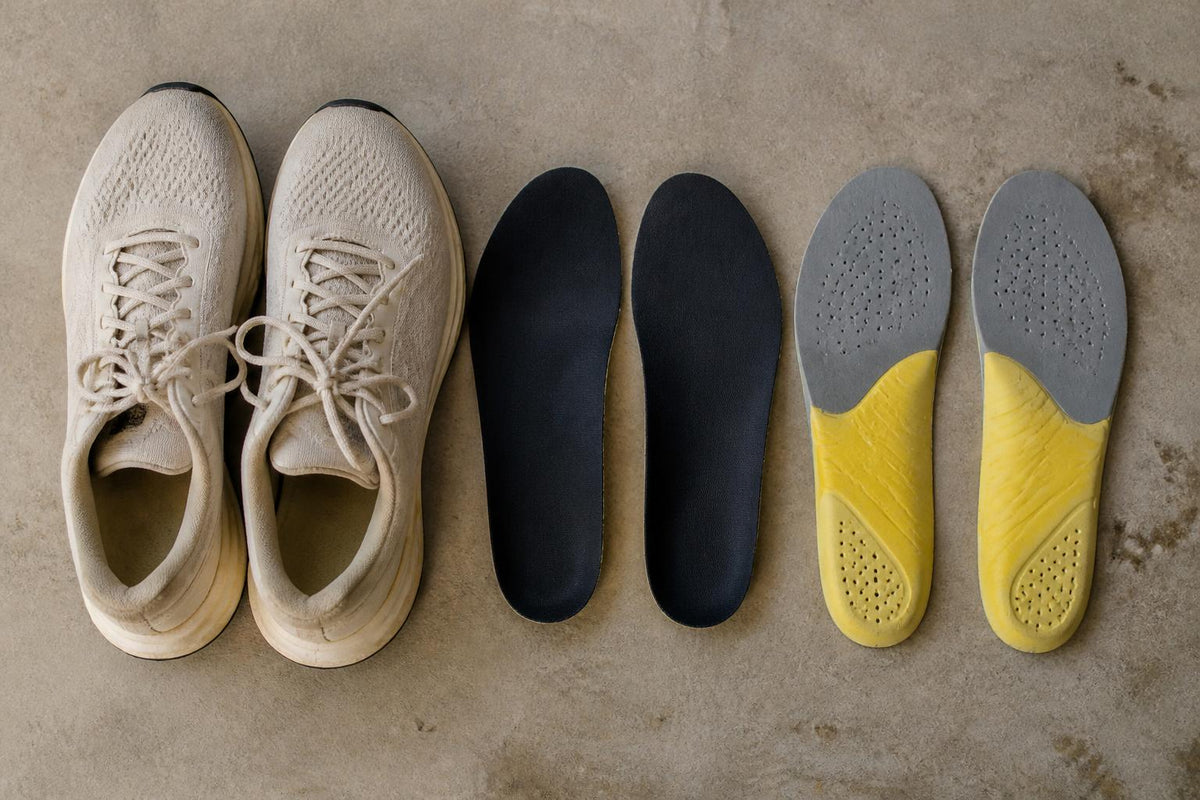
Choosing running insoles does not need to turn into a biomechanics project. For most runners, the job is simpler than that. You are trying to improve one or more of three things: comfort underfoot, the way the shoe fits around your foot, or the amount of support and structure you feel while running. Once you know which of those you actually want, the choice becomes much easier.
A good insole can make a useful difference, but it cannot rescue every problem. If the shoe is the wrong shape, too short, too shallow, or unstable for you, changing the insole may only partly help. We find that the best results usually come from treating the insole as one part of the overall setup, alongside the shoe, your socks, and the kit you wear in different conditions.
What running insoles actually do
A running insole sits between your foot and the midsole of the shoe. In practical terms, that means it can change how the shoe feels from the first step. It can alter pressure under the heel or forefoot, take up spare volume, support the arch more clearly, and help the heel sit more securely.
That sounds straightforward, but it helps to separate three things that often get muddled together.
First, comfort. Comfort is about the immediate feel underfoot. You might want a softer landing at the heel, less harshness on hard pavements, or a smoother feel under the arch. Some insoles feel cushioned and forgiving. Others feel firmer and more noticeable. Neither is automatically better. It depends on what your feet like and what the shoe already does.
Second, fit. Fit is about how your foot sits inside the shoe. A slightly roomier shoe can sometimes feel much better with an insole that fills a bit more space under the arch or around the heel. Equally, a thicker insole can make a shoe feel too tight over the toes. Many runners think they need more support when the real issue is that the foot is moving around inside the shoe.
Third, support. Support is the structure an insole gives your foot, especially through the arch and heel. A supportive insole may feel more stable, less flat, or less sloppy than the stock liner that came in the shoe. That can be useful if you like a more guided feel, but support is not the same as treatment, and more support is not always more comfortable.
This is why choosing insoles for running works better when you start with a specific complaint. “My arches feel tired after 5 km” is useful. “My heel lifts on climbs” is useful. “I think I should have support because runners do” is not.
If you want a broader look at arch shape and support styles, our guide to choosing insoles that support your arches goes into that in more detail.
When an insole may help and when it may not
An insole is often worth trying when the shoe is broadly right but not quite there. That includes a shoe that feels comfortable overall yet a bit flat under the arch, a heel that moves more than you would like, or a forefoot that feels harsh on longer road runs. In those cases, replacing the standard liner can be a sensible, low fuss adjustment.
It can also help if your running shoes fit slightly generously. A lot of recreational runners sit between sizes, especially when allowing for foot swell on longer outings. If you have chosen the better length but ended up with a touch more volume than ideal, an insole can improve hold without changing the shoe completely.
Another common use is rotating insoles between similar shoes. If you have one pair for short weekday runs and another for longer weekend miles, using a familiar insole can make both pairs feel more consistent.
Where people often go wrong is expecting an insole to fix a shoe that is fundamentally the wrong shape. If the toe box is too narrow, the upper presses on your little toe, or the shoe folds awkwardly across the forefoot, an insole is unlikely to solve that. In fact, adding thickness can make it worse.
The same applies if the shoe is too short. In UK sizing terms, runners usually need clear toe room, especially on descents and longer runs. If your longest toe is already close to the front, adding a thicker insole may push the foot upwards and forwards, increasing pressure where you least want it.
There is also a point where the issue stops being a kit question. Persistent pain in one spot, numbness, sharp heel pain first thing in the morning, repeated blistering in the same place despite well fitting shoes, or symptoms that affect walking as well as running are signs to pause the trial and error. An insole may change how things feel, but it is not a substitute for medical assessment. In the UK, if pain is ongoing or worsening, it is sensible to speak to a GP, podiatrist, or physiotherapist with running experience. That matters especially if there is swelling, altered sensation, or pain after an acute injury.
If you use custom orthoses prescribed by a clinician, do not assume an off the shelf running insole should replace them. Some runners do use different inserts in different shoes, but if you have been given a specific device for a specific reason, it is worth checking before swapping things around.
How to choose the right shape, thickness and feel
The easiest way to compare insoles is to look at four things: volume, arch shape, heel cup depth, and firmness.
Volume means how much space the insole takes up inside the shoe. Low volume insoles are useful when the shoe already fits quite closely and you only want a modest change in feel or support. Higher volume insoles fill more space and can improve hold in a roomier shoe, but they can also make the forefoot cramped.
Thickness matters most in two places, under the heel and under the forefoot. A thicker heel section can change how secure the rearfoot feels, while extra forefoot thickness can reduce ground feel but may crowd the toes. When comparing options, do not just squeeze the cushioning. Look at the profile from the side and think about the actual space available in your shoe.
Arch shape is not about having “good” or “bad” arches. It is about matching the insole’s contour to what feels natural under your foot. If the arch profile is too low for you, the insole may feel pointless. If it is too pronounced or sits in the wrong place, it can feel intrusive very quickly. We generally suggest avoiding the temptation to buy the most aggressive shape unless you already know you like that feeling.
Heel cup depth affects how the heel sits and how stable the back of the shoe feels. A deeper heel cup can help centre the heel and reduce side to side movement. That can be useful if your shoes feel vague at the rearfoot. But again, it takes up space. In a low volume shoe, a deep cup may lift the heel too much and change collar pressure around the ankle.
Firmness is where preferences vary most. Softer is not automatically more comfortable for running. A very soft insole can feel pleasant for a few minutes but vague over distance, especially if you want a stable platform. A firmer insole can feel more noticeable at first yet become more comfortable once you settle into the run. Think about what you want from the shoe. If the midsole is already plush, you may prefer an insole that adds shape rather than more softness. If the shoe is firm and direct, a little extra cushioning may be exactly the point.
This is also where it helps to be realistic about your shoes. Neutral road shoes, firmer tempo shoes, trail shoes with lower internal volume, and everyday walking trainers all interact differently with the same insole. One style of running insole will not suit every pair equally.
When comparing options in our running insoles collection, start with the shape and thickness that your shoe can actually accommodate. That is usually more useful than chasing a technical claim on the packaging.
How to fit insoles properly in running shoes
A good insole fitted badly can still make the shoe feel wrong. The basics matter.
Start by removing the existing liner if the shoe has a removable one. In most running shoes, it does. Layering a new insole on top of the old liner usually creates too much height and too little room, unless the new insert is specifically designed as an overlay.
Put the original liner underneath the new insole and compare the outline. Check heel width, arch position, and forefoot length. If trimming is needed, trim gradually. It is better to take off a small amount, test the fit, and repeat than to cut too much in one go. Use the old liner as a guide, but remember that some replacement insoles are intentionally shaped a little differently through the arch and heel.
Once the insole is in the shoe, press it flat so it sits fully into the heel and forefoot. Any buckling or raised edge will be obvious once you run.
Then do five checks while standing and walking.
First, toe space. Your toes should still have room to lie naturally without pressing into the top of the shoe. If the upper suddenly feels low or your toes feel crowded, the insole may be too thick for that shoe.
Second, heel hold. Walk up a few stairs if you can. The heel should feel secure, not lifted out by the extra volume. If you get rubbing at the collar or a loose heel despite the insole, the shape may not suit the shoe.
Third, arch contact. You should feel the arch contour, but it should not jab or sit too far forward. A supportive feel is fine. A hotspot before you have even left the house is not.
Fourth, forefoot comfort. Bend through the ball of the foot. If the shoe now feels stiff, cramped, or oddly full at the front, the insert may be too bulky.
Fifth, overall balance. Sometimes a new insole feels fine standing still but makes the shoe feel tippy or overfilled once you move. A short test run is the real check.
We recommend keeping the first run easy and fairly short. Twenty to thirty minutes is enough to tell whether the fit is promising. Do not judge an insole only by the first few steps indoors, but do not force a long run in something that already feels wrong either.
If you use more than one pair of shoes, fit and test the insole in each pair separately. One of the most common mistakes is assuming that if it works in one road shoe it will work in another. Internal volume and heel shape vary more than many runners expect.
What to pair with insoles for everyday comfort
Insoles matter, but they are only one part of the comfort picture. Socks can change the feel just as much.
A thin running sock leaves more room and gives a more direct connection to the shoe and insole. A thicker sock adds cushioning and can improve hold in a slightly roomy shoe, but together with a substantial insole it may create too much bulk. If you have just changed your insole and the fit feels borderline, test different sock thicknesses before deciding the insert is wrong.
Fabric matters too. Proper running socks manage moisture and reduce friction better than everyday cotton socks. That is especially relevant if you are trying to sort out minor rubbing or movement in the shoe. A drier foot is usually a more stable foot.
Seasonal kit also plays a part. In colder months, runners often add thicker socks, tights, gloves and a warmer top without thinking about how the whole setup changes. If your feet run warmer and swell a bit more after the first few miles, a winter sock plus a higher volume insole may feel fine at the door and cramped later on.
That is why we think in systems rather than single products. Your shoes, insoles, socks, and clothing all affect comfort on the run. If you are building a practical setup, it is worth looking at everyday running and training clothing as well as what is inside the shoe. A well chosen base layer can help regulate temperature so you are not overdressed and overheating. On cooler days, arm coverage that you can easily remove or adjust is often more useful than starting too warm, which is where options like light extra coverage for changeable conditions come into their own.
Headwear and gloves can make the same kind of difference. Keeping the rest of you comfortable often stops small foot issues feeling bigger than they are, because you are not tense, cold, or distracted by the weather. Fair Weather Runner stocks practical accessories for that reason. We want everyday runs to feel easier to get out for, not over-engineered.
A final point on comfort, give any new setup a fair test, but not endless chances. If an insole works, you will usually know fairly quickly. It may need one or two easy runs to feel normal, especially if the arch shape is new to you, but it should move in the direction of better comfort, better fit, or better support. If it creates pressure, crowding, or a strange gait, that is useful information too.
At Fair Weather Runner, operated by Fleeta Limited, our Field Notes are built around that practical approach. You do not need the perfect technical answer on paper. You need a setup that feels right on your actual runs. For most people, choosing insoles for running comes down to three simple questions. What problem are you trying to solve, does the shape suit your foot, and does the shoe still fit properly once the insole is in place. If you answer those honestly, the choice is usually much simpler than it first appears.
Do running insoles make you run better?
They can improve comfort, fit and confidence in a shoe, but they do not automatically improve performance. For most recreational runners, the main benefit is a shoe that feels more settled and less irritating over ordinary distances.
Should you remove the original insole first?
Usually, yes. Most running shoes are designed around one insole at a time. Stacking a new one on top often reduces toe space, lifts the heel too much and can make the fit unstable.
Can insoles help with arch pain?
They may help some runners by changing pressure and support, but persistent or worsening pain needs proper assessment. An insole is a comfort and fit tool, not a medical treatment.
How long do running insoles last?
It depends on material, use and body weight. Replace them when they stay compressed, lose shape, start slipping or no longer feel as comfortable as they did when new.
Are expensive insoles always better?
No. A pricier insole is only better if it suits your shoe volume, foot shape and preferred feel. A simpler option that fits properly can work better than a more structured one that does not.