
Running kit that earns a place in your weekly routine
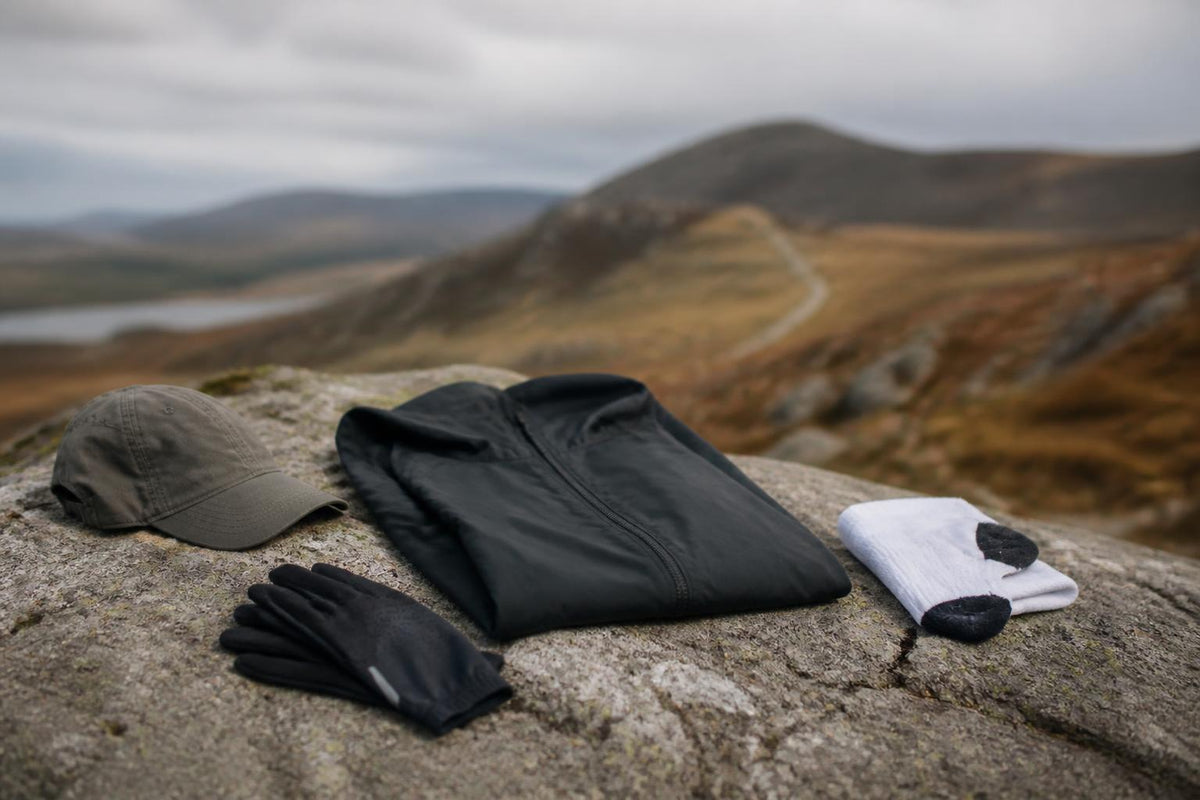
A useful running kit is not the pile of gear that builds up in a drawer. It is the small set of items you reach for every week because they solve ordinary problems, cold hands, soggy feet, a cap that keeps rain out of your eyes, or a flask that lets you carry fuel without fuss. For most UK runners, the best accessories are the ones that make a Tuesday evening run or a Sunday social loop more comfortable in real weather.
That matters whether you are starting from scratch, coming back after time away, or simply trying to make your routine feel easier to stick to. We see the same pattern again and again at Fair Weather Runner. People rarely need everything at once. They need a few dependable pieces that work together, wash well, and earn their place.
What counts as useful running kit for most UK runners?
In practical terms, running accessories are the supporting items around your main clothing. They are not there for show. They manage comfort, temperature, visibility, hydration, and small fit issues that can turn a decent run into an irritating one. For most runners, that means socks, caps and headwear, gloves, insoles, sunglasses, arm sleeves, and hydration accessories.
The first distinction to make is between everyday essentials and nice-to-have extras.
Everyday essentials are the items that solve common problems on ordinary runs. A good pair of running socks helps with friction, moisture, and hot spots. A cap or other headwear deals with drizzle, low winter sun, and wind. Light gloves can transform a cold start. Insoles can improve comfort if your current shoe setup feels harsh or uneven. A reusable gel flask or compact hydration option starts to matter once your runs get longer, warmer, or more regular.
Nice-to-have extras are still useful, but they tend to answer more specific needs. Arm sleeves are a good example. They are excellent for changeable conditions when a full long sleeve feels too warm, but not everyone needs them immediately. Sports sunglasses are another. For some runners they are essential because of light sensitivity, exposed routes, or year-round training. For others, they become more useful once mileage or time outside increases.
Beginners and returning runners often do best when they keep this simple. Start with the items that affect comfort every single week. Build from there. That is usually a better use of money than buying specialist kit before you know what actually bothers you on your runs.
It is also worth separating accessories from footwear assumptions. We do not assume shoes are part of the range, so our approach is to help you improve the setup around the shoes you already run in. That is often where the quickest gains are.
Which accessories make the biggest difference first?
If you are choosing in order, start with the things that touch your skin and the things that deal with UK weather.
First, socks. Runners often underestimate how much difference proper running socks make. Cotton everyday socks hold moisture, bunch more easily, and can rub once the weather turns wet or the pace picks up. A technical running sock manages sweat better, dries faster, and usually gives a more secure fit through the heel and arch. If you buy one accessory first, this is usually the safest place to start. Our range of running socks for regular training is where many runners begin because the benefit is immediate and easy to notice.
Second, headwear. In the UK, a cap is not only for hot weather. It is one of the most useful all-season pieces you can own. In rain, it keeps water off your face and helps you see. In bright conditions, it reduces glare. In wind, it adds just enough coverage to make a run feel less exposed. Different styles suit different conditions, so it is worth looking through caps and headwear for changeable conditions rather than treating all hats as interchangeable.
Third, gloves. Cold hands can make the first 20 minutes of a run miserable, even when the rest of you warms up quickly. Lightweight running gloves are often enough for autumn, winter, and early spring in much of the UK. They do not need to be bulky to be effective. The key is that they breathe, dry reasonably quickly, and do not become clammy once you are moving.
Fourth, sunglasses. Proper sports sunglasses are not just a summer extra. Low winter sun can be harder to deal with than bright July light, especially on open roads, canal paths, and coastal routes. Good coverage also helps with wind and airborne grit. If you run in mixed light, look carefully at lens type and how secure the frame feels when you are actually moving.
Fifth, insoles. These can make a real difference, but they are more individual than socks or gloves. Insoles are worth considering if your current shoes feel flat, if you want a little more underfoot comfort, or if one pressure point keeps recurring. They are not a cure-all and they should fit the shape and volume of your shoes properly. In the UK, this is usually a straightforward consumer choice rather than a medical one, but if you have a known foot condition or ongoing pain, it is sensible to separate comfort purchases from clinical advice.
Sixth, hydration accessories. Many runners do not need to carry fluids on every outing, especially in cooler weather or on shorter runs. But once your runs get longer, or you prefer to avoid loops past home, a reusable gel flask or compact hydration option becomes genuinely useful. We favour practical choices here, the kind you will actually rinse, refill, and take out again, not bulky kit that sits unused. Our hydration and reusable gel flasks for longer runs are aimed at exactly that sort of everyday use.
If you want one simple buying order, it is usually socks, headwear, gloves, then either sunglasses, insoles, or hydration depending on your routes and the season.
How should you choose clothing to support your accessories?
Accessories work best when the clothing around them makes sense. A cap cannot rescue an overdressed outfit. Great socks will not fix shorts that chafe. The aim is to build a kit system, not a collection of isolated purchases.
Start with the lower half. Training shorts and leggings cover most needs for recreational running in the UK. Shorts are the default for mild to warm conditions, but the detail matters. Look for a secure waistband, fabric that does not cling once wet, and a cut that works with your stride. Leggings come into their own on colder mornings, windy days, and when you want consistent coverage without thinking about temperature swings.
Socks need to work with this. If your shorts and top are light and breathable but your socks stay wet, the whole outfit feels wrong. The same applies with leggings. In cooler weather, many runners focus on the warmth of the legs and forget that damp feet can still spoil the run.
On the upper half, a good top is the foundation. For much of the year, a technical short sleeve or long sleeve top is enough once you are moving. Over that, a base layer becomes useful when the air is cold enough that a single top feels thin, but a bulky outer layer would be too much. A close-fitting base layer helps manage moisture and creates a more stable microclimate under your outer clothing. That matters for accessories too. Gloves and headwear perform better when the rest of your layering is balanced, because you are less likely to overheat centrally while your extremities stay cold.
A fleece or light insulating layer has its place, especially for easy runs, very cold starts, or standing around before a social run begins. But many runners buy warm outer layers too soon and then discover they only wear them a few times each winter. Often, a better system is top plus base layer, then cap and gloves as needed.
Arm sleeves sit neatly between clothing and accessories. They are especially useful when the forecast is uncertain or when a morning starts cold and brightens quickly. You get adaptable coverage without committing to a full extra layer. Our running arm sleeves for variable temperatures are a good example of kit that earns its place because it solves a specific, recurring UK problem.
This is also where fabric choice matters. We prefer kit that dries sensibly, keeps its shape, and does not become heavy in rain. That applies across tops, leggings, and accessories alike. Some runners also look for specialist fabric technologies such as KYMIRA in performance clothing, but the basic question remains the same, will you actually wear it week after week?
If you also cycle, it helps to keep disciplines separate where needed. Cycling jerseys, bib shorts, and bib tights are excellent in their own setting, but they solve different movement and contact-point problems from running kit. Cross-use is sometimes possible, but not always comfortable. A running outfit should support upright movement, arm swing, and repeated impact, not time spent in a riding position.
How do you match your kit to weather, light and season?
The UK rarely rewards a one-season wardrobe. Most of us run through mixed conditions, drizzle that turns to sun, a cold start followed by mild air, or a windy route that feels different in every exposed section. Good kit planning is about adapting without carrying half your wardrobe with you.
For rain, start with a cap. It is one of the simplest upgrades because it keeps water out of your eyes and helps you hold your line on wet roads and paths. Pair it with a top that does not become heavy when soaked, and socks that still feel stable once wet. Avoid over-layering in rain unless temperatures are genuinely low. In many UK conditions, getting a bit wet is fine. Getting wet while overdressed is miserable.
For wind, think about exposed skin first. Gloves, close-fitting headwear, and sometimes arm sleeves do more than a thicker top alone. Wind finds the gaps. A lighter outfit with the right accessories often feels better than one heavy layer.
For cold mornings, build from the hands, head, and core outwards. Gloves and a cap or other headwear usually make the biggest early difference. Add a base layer under your top before reaching for a heavy fleece. Once you warm up, you want to be able to keep moving comfortably, not count down the miles until you can unzip or strip layers.
For bright light, a cap and sports sunglasses are the main tools. UK light can be awkward rather than dramatic, low sun in winter, glare after rain, or bright but cool spring mornings. Sunglasses need to stay put when you sweat and move. A cap adds shade and helps with concentration on open routes.
For warm weather, simplify. Breathable socks, a light top, shorts, and a cap are often enough. Hydration becomes more important here, especially if you are out for longer than usual or running in the middle of the day. A reusable gel flask is often a more realistic option than larger carrying systems for ordinary training runs.
For autumn and spring, aim for modular kit. These are the seasons when accessories really prove their worth. Gloves you can remove, arm sleeves you can adjust, and headwear that handles both drizzle and sun are often more useful than buying separate outfits for every forecast.
This is one reason our Field Notes keep coming back to versatility. A smaller kit that covers multiple scenarios usually serves recreational runners better than a large one built around edge cases. Fair Weather Runner exists for ordinary miles in real weather, not for fantasy conditions that happen twice a year.
What should you check before buying any running accessory?
Before you buy any accessory, check five things, fit, fabric, care, compatibility, and durability.
Fit comes first. Socks should sit securely without bunching or slipping. Gloves should feel close enough for dexterity but not tight across the fingers. Caps and headwear should stay put without pressure points. Insoles must match the size and internal volume of the shoes you already use. Sunglasses should remain stable when you jog, not only when you stand still.
Fabric is next. Look for materials that manage moisture, dry in sensible time, and feel comfortable against the skin. In the UK, this matters because kit is often used repeatedly in damp conditions, washed often, and expected to dry overnight. A piece that performs once but is awkward to care for tends not to become part of your routine.
Care matters more than many people expect. Check the washing instructions before you buy. Some accessories are easy to rinse and air dry. Others need more careful treatment to preserve stretch, coatings, or lens quality. If an item is fiddly to look after, be honest about whether you will keep up with it.
Compatibility is especially important for insoles, arm sleeves, and hydration items. Insoles need to work with your existing shoes, not just in theory but in actual volume and shape. Arm sleeves need to pair comfortably with your tops. Hydration accessories should fit the kind of running you do, short road loops, park runs, social trail outings, or longer solo sessions. If you already use a particular pocket setup or waist storage, check that a flask or accessory will work with it.
Durability is the final check. Look at seams, edging, closures, and the parts that take repeated stress. For socks, that means heel and toe wear. For gloves, fingertip and palm construction. For caps, the brim, sweatband, and adjuster. For sunglasses, hinge strength and lens security. For hydration accessories, closure reliability and ease of cleaning.
Then do one more practical check. Verify the current product page and variant availability before deciding. Sizes, colours, and specific versions change. Because our range is live and curated by Fleeta Limited, we always recommend checking what is actually available now rather than relying on a past mention in an article or a social post.
If you are building from the ground up, start with the pieces you know you will wear this week. That is the best test of useful running accessories. Not whether they sound technical, but whether they make your next run more comfortable, more straightforward, and easier to repeat. That is how kit earns a place in your routine.
What running accessories should a beginner buy first?
Start with the items that improve comfort on every run: good running socks, weather-appropriate headwear, gloves for colder months and practical sunglasses if you run in bright conditions.
Do I need different kit for winter running in the UK?
Usually yes, but not a whole new wardrobe. A base layer, gloves, suitable headwear and adaptable outer layers often make more difference than buying lots of specialist items.
Are insoles worth considering for recreational runners?
They can be, especially if you want to adjust comfort or fit in your existing shoes. Choose carefully and avoid assuming any insole will solve pain or prevent injury.
Should I buy accessories or clothing first?
Buy whichever solves your most obvious problem first. If you are too cold, start with layers. If your feet, hands or eyes are uncomfortable, accessories may give quicker everyday value.
Can one set of kit work for running and training?
Often yes. Many runners do well with versatile shorts, leggings, tops, arm sleeves and layers that work across easy runs, gym sessions and general training.