
Sports sunglasses for UK runners and riders compared
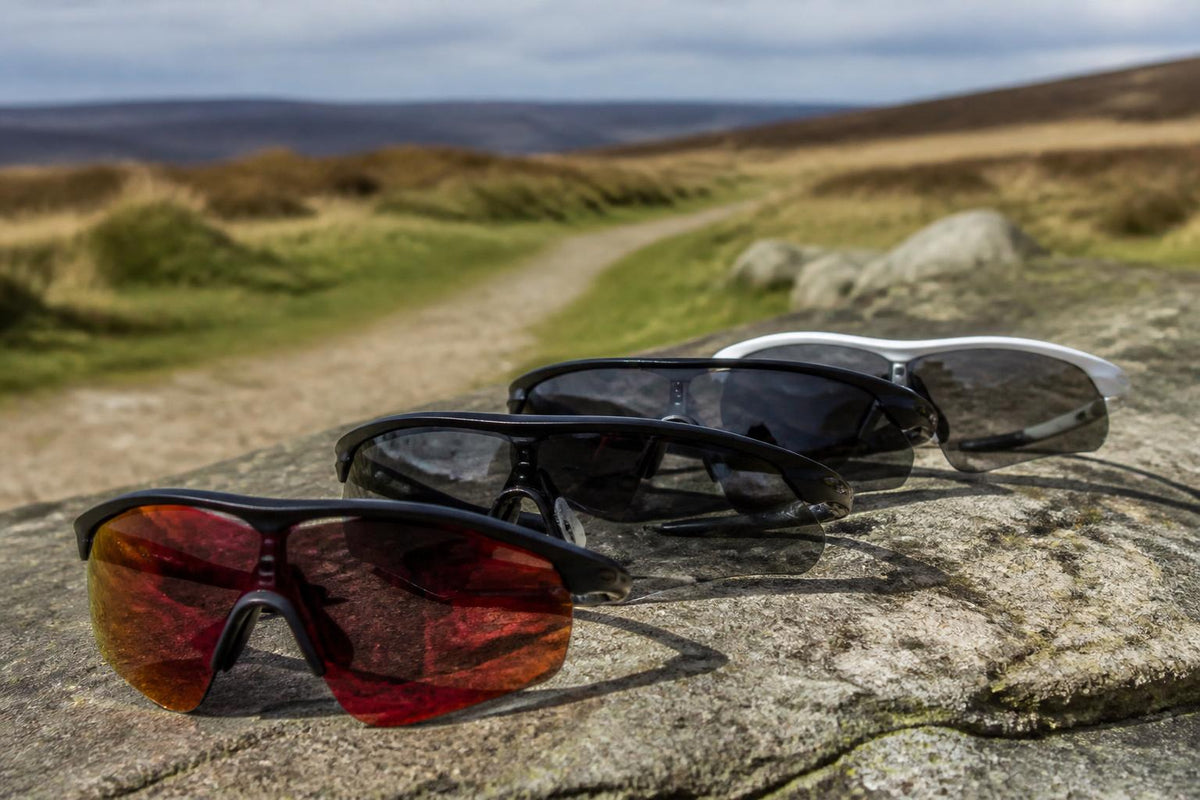
If you are choosing between sports sunglasses for running, training rides and general outdoor exercise, the best pair for most UK adults is usually the one you will actually keep wearing through mixed light, light rain, road spray and ordinary weekend miles. In practice, that means looking less at race-day claims and more at lens usefulness, stable fit, enough coverage, and whether they still feel comfortable after an hour rather than five minutes.
For most people comparing the best sports sunglasses in the UK, the sweet spot is a lightweight frame with secure nose and temple grip, decent wrap without pressing the cheeks, and a lens tint that copes with bright spells and broken cloud. At Fair Weather Runner, we think everyday sport in Britain rewards versatility more than extremes. A pair that works well on a sunny park run, a breezy canal path ride and a cloudy Sunday spin will usually earn its place faster than a highly specialised option that only shines in one set of conditions.
What makes a good pair for everyday UK sport
For ordinary recreational running and cycling, a good pair of sports sunglasses should do four jobs well.
First, they need to protect your eyes from glare, insects, grit and wind. UV protection matters, but so does practical shielding from what actually hits your face on UK roads, towpaths and trails. Even on overcast days, wind and debris can make running and riding less comfortable. A lens that reduces eye watering can help you relax your face and keep better focus ahead.
Second, they need to stay put without constant adjustment. If you are pushing them back up every mile, they are not right for your sport. Running exposes poor fit quickly because of repeated impact and vertical bounce. Cycling often reveals different issues, especially pressure points under a helmet or arms that interfere with retention systems.
Third, the lens needs to suit the light you actually train in. UK weather changes fast. A lens that is perfect in strong midday sun can feel too dark under tree cover or when cloud rolls in. Equally, a very pale lens may not do enough on a bright road ride when glare from tarmac and car windscreens is tiring.
Fourth, they need to remain clear enough to use. Fogging, trapped rain and poor airflow can make sunglasses more annoying than helpful. That is why frame shape, venting and how close the lens sits to your face are every bit as important as the headline lens colour.
For everyday use, we suggest comparing product pages with these points in mind:
- Lens category or intended light level
- Frame weight and overall size
- Nose piece shape and grip
- Temple arm grip and flexibility
- Wrap and field of view
- Venting or airflow features
- Compatibility with caps and helmets
- Any interchangeable lens or variant options
It is also worth thinking about where you use them most. A runner doing local roads, parkruns and occasional trails may value low bounce and easy all-round visibility above maximum wrap. A social cyclist may prefer broader coverage and better wind protection at speed. Someone doing gym-to-outdoor training sessions may want a simpler, lighter pair that feels less bulky when moving between activities.
If you are building a practical kit setup rather than buying one-off pieces, it helps to look at sunglasses alongside the rest of your regular gear. For cooler starts and shoulder-season training, many people pair eyewear with a light technical base layer for changeable weather so they can stay comfortable without overdressing.
Which lens type suits bright sun, cloud and changeable light?
Lens choice is where many buyers overcomplicate things. You do not need a laboratory approach. You do need to be honest about the conditions you see most often.
In simple terms, darker tints are better for stronger brightness, while lighter lenses are usually easier in cloud, shade and mixed light. In the UK, many recreational runners and riders get most use from lenses that sit in the middle rather than at either extreme. They cut glare enough to be useful in sun, but they do not become awkward the moment the light drops.
Grey lenses are often a safe all-round option. They tend to reduce brightness without shifting colours too dramatically, which many people like for road running and cycling. Brown, bronze or amber style tints can increase contrast and may feel more helpful when light is flat or surfaces are uneven. That can be useful on mixed paths, gravelly sections or winter roads where definition matters.
Very dark lenses can be excellent in strong, open sun, but less practical for the reality of British conditions, especially if your route moves between open stretches, tree cover and built-up areas. Clear or near-clear lenses have their place for eye protection in poor light, but they are usually a specialist answer rather than the best everyday one for people wanting one pair to cover most sessions.
You may also see mirrored finishes. These can help with glare in bright conditions, but the key question is still the underlying lens transmission and how usable it feels when the weather changes. Mirror coating alone does not tell you whether the lens will suit an early evening run under patchy cloud.
Photochromic lenses can sound ideal for the UK because they adjust to changing light. For some people, they are. But it is still worth checking how quickly the lens changes and the range it covers, because practical performance matters more than the label. If you are often out for long rides where conditions evolve gradually, photochromic options can make sense. If your use is mainly shorter runs before work or lunchtime sessions, a good versatile fixed tint may be simpler and just as effective.
Polarised lenses are another point worth understanding. They can reduce glare from reflective surfaces, which some people appreciate around water or on bright roads. However, they can also affect how certain screens or shiny surfaces appear. For cycling, that may or may not matter to you depending on whether you use a bike computer and how sensitive you are to that effect.
In Britain, where brightness can shift within a single session, the practical test is this. Can you wear the lens comfortably when the sun appears, and still trust it when the route turns shady or the cloud thickens? That is usually a better buying standard than asking which tint is theoretically best.
If you are browsing current options, our sports sunglasses collection for running and riding is the right place to compare available lens variants and intended use. Product pages are the best source for current details, especially where colours, lens options or restocks change.
How fit changes between running, training and cycling
Fit is never one-size-fits-all, and the right shape for a rider is not always the right shape for a runner.
For running, secure fit under repeated bounce is the first test. A frame can feel perfect while standing still and then start slipping once you are warm and moving. Good running fit usually comes from a combination of low overall weight, a nose piece that grips without pinching, and temple arms that hold gently but consistently. Too loose, and the glasses move every few strides. Too tight, and you notice pressure around the temples or behind the ears.
Face shape matters here. Wider faces may need more frame width or a less aggressive inward curve. Narrower faces often benefit from a closer fit so the frame does not float or shift. High cheekbones can cause lenses to touch the face, especially when smiling or breathing hard, which can become annoying quickly and may worsen fogging.
For general training, especially circuits, warm-ups, mixed outdoor sessions or cross-training, comfort during varied movement becomes more important than pure aerodynamics. You may be bending, turning, looking down and changing pace often. A stable frame with a straightforward fit usually beats an oversized shield that excels on the bike but feels cumbersome elsewhere.
Cycling adds helmet compatibility. This is where many otherwise good sunglasses fail for riders. The temple arms need to sit comfortably under the helmet without creating hot spots or pushing the frame down the nose. The top of the frame also needs to work with your riding position. If you spend time on the hoods or drops, you do not want a frame edge interrupting your line of sight when you look up the road.
Wrap can be especially beneficial on the bike because of wind and speed, but more wrap is not automatically better. A very curved lens may increase side protection, yet if it presses in the wrong places or sits too close to your lashes, you will notice it every ride.
Caps and headwear also affect fit. Many runners wear a cap in sun or drizzle. That can improve comfort and rain management, but it changes how sunglasses sit on the nose and ears. If you often pair eyewear with headwear or colder-weather kit, it is worth checking how the frame works alongside gloves, sleeves and layers from the rest of your setup, such as our accessories for cooler training days.
One more point for UK buyers, standards and marketing language can vary across brands, but your legal rights as a UK consumer follow UK rules, not EU rules generally, when you buy from a UK retailer. That matters more for purchase confidence than for fit itself, but it is part of buying sensibly.
Coverage, airflow and rain protection compared
Coverage is one of the biggest visible differences between styles. Broadly, larger lenses and more wrap give more shielding, while smaller or flatter styles can feel lighter and less intrusive. Neither is automatically superior. It depends on the balance you want.
Wider coverage helps with wind protection, peripheral shielding and road spray. Cyclists often notice this first, especially on descents or into headwinds. Runners can benefit too, particularly in cold wind or on exposed routes. More coverage can also reduce the amount of light leaking in from the top and sides, which makes the lens feel more effective.
The trade-off is airflow. A large lens that sits close to the face may trap warm air and increase fogging, especially during stop-start efforts, easy winter runs or damp conditions. That is why venting matters. Some frames manage airflow well and stay relatively clear. Others look protective but become frustrating the moment intensity changes or rain starts.
Rain adds another layer to the comparison. In UK conditions, sunglasses are not just for blazing sun. They can be useful in drizzle, road spray and gusty weather because they keep water, grit and wind out of the eyes. But lens shape affects how raindrops behave. Very flat lenses may leave more exposure. Highly wrapped lenses can protect better, though droplets on any lens will still affect clarity to some extent.
A running cap often works well with sunglasses in rain because the brim reduces the amount of water landing directly on the lens. On the bike, helmet peaks are less common on road setups, so lens airflow and shape do more of the work. If you ride in mixed conditions, think about whether you are more bothered by eye watering from wind or by occasional droplets sticking to the lens. Your answer may guide you towards either more coverage or more ventilation.
Fogging usually shows up in a few familiar situations:
- Easy starts before you are fully moving
- Traffic stops or route pauses on the bike
- Cold mornings with a warm face and little breeze
- Frames that sit too close to the cheeks or brow
- Wearing heavier winter kit that traps more heat
That last point is often overlooked. Eyewear does not work in isolation. If you are layered up in a fleece or heavier top, you may generate and trap more warmth around the face and neck. In colder months, many people combine sunglasses with a breathable outer layer or light fleece for winter sessions, which can help overall comfort if the rest of the outfit is balanced well.
For ordinary UK sport, we generally favour the middle ground. Enough coverage to protect the eyes properly, enough airflow to avoid constant misting, and a shape that still works when the weather is less than ideal. Extreme shield styles and minimal fashion-led frames both have their place, but most recreational users are better served by something practical in between.
What to check before you buy from Fair Weather Runner
Before buying, check the current product page carefully. At Fair Weather Runner, we update our range as variants, colours and seasonal stock change, so the live listing is the place to confirm what is available now rather than relying on a guide written at an earlier date.
Start with the basics. Confirm the lens and frame variant, the intended sport use, and whether the product is described as better for bright sun, mixed light or broader all-round wear. If there are multiple colourways, do not assume they all use the same lens. Sometimes the frame changes only cosmetically, but sometimes the lens specification differs too.
Next, look at fit-related details. Check frame shape, size notes and any mention of grip points, adjustable nose pieces or helmet compatibility. If you are buying primarily for cycling, review the product photos with helmet use in mind. If your main use is running, think about bounce and whether the frame looks likely to sit securely without over-clamping.
It is also sensible to check how the sunglasses fit into the rest of your kit. We stock practical clothing and accessories for running, training and cycling through Fleeta Limited, including socks, caps and headwear, gloves, insoles, sports sunglasses, arm sleeves, reusable gel flasks, shorts, leggings, tops, fleeces, cycling jerseys, bib shorts and bib tights. We also carry technical apparel such as KYMIRA in selected ranges. If you are building an everyday setup, you may want to compare eyewear with the layers and accessories you actually train in, especially in transitional weather.
Use our Field Notes in that spirit. They are there to help you choose sensible kit for real sessions, not to push elite-level complexity onto ordinary runners and riders. If you are returning to exercise, starting social rides, or simply replacing old sunglasses that never quite worked, focus on the pair that suits your routine.
Finally, check current availability before making specific assumptions. We do not suggest treating any guide as proof that every size, colour or variant is in stock at all times. Product pages are the reliable source for live information, and that matters just as much for sunglasses as it does for a base layer, leggings or cycling kit.
If you keep the decision simple, most buyers can narrow it down quickly. Choose a lens that works in mixed UK light, a fit that stays stable for your main sport, and enough coverage to protect without causing constant fogging. That is usually how you end up with the best sports sunglasses in the UK for real life, not just for the product photo.
Are sports sunglasses worth it for ordinary UK running?
Yes, if you run regularly in wind, glare or bright spells. A secure fit and useful coverage can matter as much as dark lenses, especially on mixed-weather UK routes.
Should runners and cyclists buy the same style?
Sometimes, but not always. Cyclists often want more wraparound coverage and helmet-friendly arms, while runners may prioritise low bounce, lighter weight and all-round comfort.
What lens tint is most useful in the UK?
A versatile everyday tint often suits UK conditions better than an extremely dark lens. The best option depends on when you train and how often your light conditions change.
Do bigger lenses always mean better protection?
Not always. Larger lenses can improve coverage from wind and glare, but they may also feel warmer or fog more easily if the frame ventilation is poor.
Can I use one pair for running, training and social rides?
Often yes, if the fit is stable and the lens works in mixed light. Check that the frame sits comfortably for your main activity before choosing a do-everything pair.