
Trail kit that keeps new runners comfortable off road
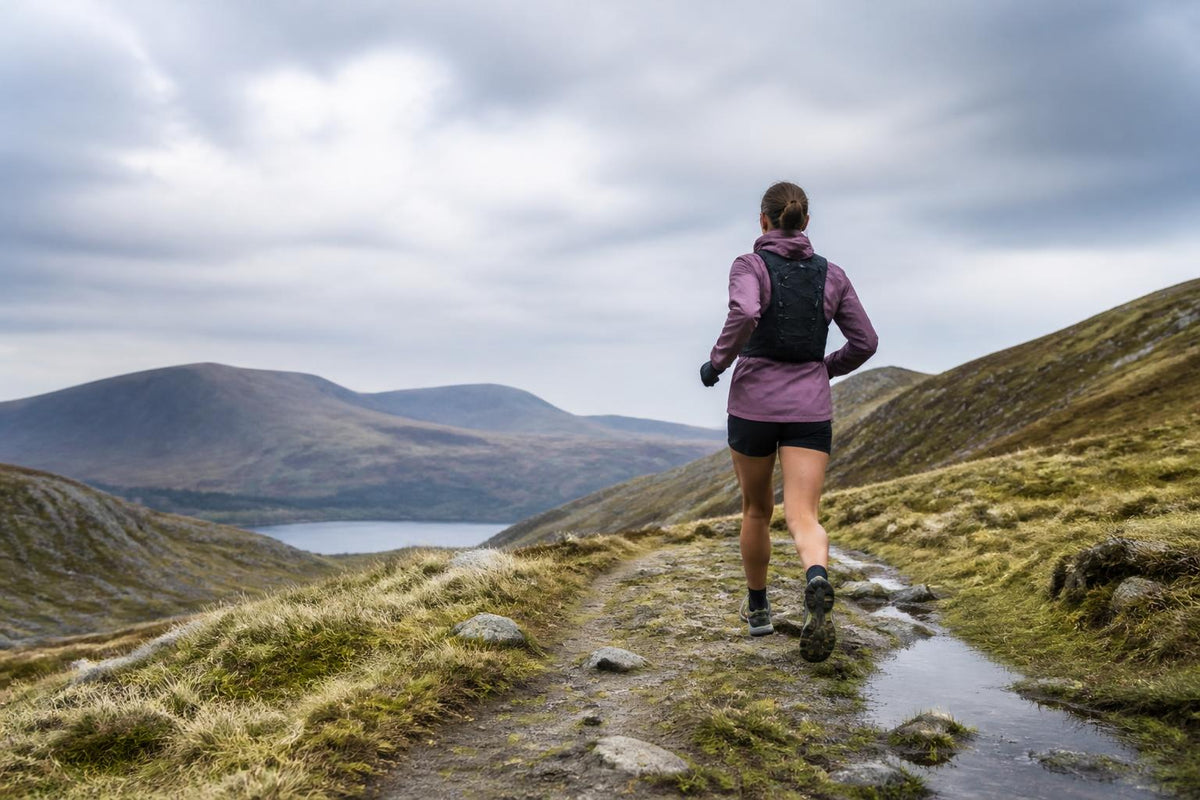
Starting trail running does not require a wardrobe full of specialist gear. For most new or returning runners, the useful starting point is simple, a comfortable clothing system that manages sweat, keeps the weather off long enough to finish the run, and carries one or two essentials without fuss. Good socks, a breathable top, shorts or leggings that do not rub, and a few small accessories will do more for comfort than chasing technical features you may never use.
The best trail running kit for beginners is the kit that works repeatedly on ordinary UK runs. That means clothing you can layer for a cool morning, a muddy path, a windy ridge, or a shower that arrives halfway round the loop. It also means choosing pieces that are practical on road-to-trail routes and local parks, not just dramatic mountain days.
What trail kit do you actually need to start
If you are building your first trail running kit, keep the list short. You do not need to buy everything at once, and some items can wait until you know what sort of running you actually do.
The minimum useful kit is:
- Moisture-managing socks
- A breathable top
- Shorts or leggings that stay put
- A light extra layer for cool or changeable weather
- Something small for visibility or weather protection, such as a cap or gloves depending on season
What matters most is comfort over 30 to 90 minutes. If your socks bunch, your waistband slips, or your top holds sweat and turns cold, you will notice that long before you miss some advanced trail feature.
Socks are a good place to start because they affect both comfort and confidence. On uneven ground your feet move more inside the shoe than they often do on smooth pavement, especially on descents and cambered paths. A proper running sock helps reduce rubbing, manages moisture, and gives a more secure feel. Our running socks for everyday miles and mixed terrain are often one of the first upgrades people notice.
Next comes the clothing you wear against the skin. A technical tee or long sleeve is more useful than an old cotton top because it dries faster and stays lighter when damp. If conditions are cooler, add a base layer rather than a bulky sweatshirt. A close fitting layer traps warmth more efficiently and still lets you move freely.
Shorts or leggings are mostly about fit and chafe control. For many recreational runners, the best pair is not the most technical pair, it is the one you stop thinking about after ten minutes. On trails, secure pockets are a bonus because you may want to carry a key, a phone, or a gel without holding it in your hand.
What can wait? For most beginners, specialist race vests, poles, waterproof trousers, and highly niche mountain kit can wait. The same goes for buying multiple versions of the same thing before you know your preferences. We would also be careful about assuming you need dedicated trail shoes immediately. If your local routes are dry park paths, forestry tracks, canal paths, or firm bridleways, you can often start in the running shoes you already own and learn what grip and support you actually need from there.
How to dress for UK trail conditions
UK trail conditions are rarely extreme in one direction for long. More often, they are mixed. A run can begin in sunshine, cross wet grass, pick up wind on open ground, and finish in drizzle. The practical answer is a simple layering system.
Start with a breathable next-to-skin layer. In mild conditions this may just be a technical T-shirt. In colder weather, use a base layer under a light top or fleece. The job of the first layer is to move moisture away from the skin, not to feel thick. If it gets wet and stays wet, you cool down quickly once you slow, stop at a gate, or turn into the wind.
Over that, add an outer layer according to temperature and exposure. For many UK runs, a light long sleeve or a compact fleece is enough. If the day is unsettled, think in terms of pieces you can remove, carry, or tie round the waist without a battle. We stock running and training clothing for layering through the seasons because this is how most people actually dress for local running.
Legs are usually simpler than the upper body. Shorts suit a lot of runners for much of the year, especially if paired with warm socks and gloves on cold days. Others prefer leggings for protection from wind, brambles, and cold starts. Neither is more correct. The right choice depends on how warm you run, how overgrown your routes are, and whether you tend to stop and chat on social runs.
Accessories matter more on trails because the weather can feel sharper away from streets and buildings. A cap helps in three different ways, it cuts glare, keeps light rain off your face, and gives a bit of warmth without overheating the rest of you. In winter, gloves can transform the first twenty minutes of a run. Cold hands make people tense their shoulders and shorten their stride. Once your hands are comfortable, the whole run often feels easier.
For that reason, many runners get regular use from caps and headwear that work across road and trail routes and from light gloves they can pocket when the day warms up.
A few UK specific points are worth keeping in mind. First, water resistant and shower resistant are not the same as fully waterproof. For ordinary local runs, that may be perfectly fine. For longer, more exposed days, you need to think more seriously about protection. Second, daylight matters as much as temperature. In autumn and winter, visibility becomes part of your clothing decision even if you are running mostly off road. Many trail routes include road crossings, lanes, car parks, or the walk home from the start point.
If you run in upland areas or organised events, check the event kit list carefully. In the UK, mandatory kit requirements vary by organiser and terrain. A local social trail run may need nothing more than sensible layers and a charged phone. A fell race or mountain event may require waterproof whole-body cover, hat, gloves, map, compass, and emergency food. That is not an EU-wide standard, it is set by UK organisers, governing bodies, land conditions, and weather risk.
Which small items make the biggest difference
The smallest items in your trail kit often give the biggest day-to-day improvement. They are also the pieces people actually keep using, because they solve ordinary annoyances.
Socks are first on that list. Good running socks reduce friction, manage dampness, and help shoes feel more stable. If you regularly get hot spots, sore arches, or that sliding feeling on descents, start here before changing half your wardrobe.
Caps and headwear come next. On UK trails, a cap is not just for bright summer days. It is useful in drizzle, low winter sun, and windy weather when you want a bit of protection without committing to a heavier hat. It also helps keep your vision clear on narrow paths where you need to watch your footing.
Gloves are another low cost, high value addition. Many runners overdress the body because their hands are cold at the start. A light pair of gloves lets you wear a more sensible upper body layer and settle into the run properly. If you warm up quickly, gloves are easy to stash.
Arm sleeves are particularly handy in shoulder seasons. They give you flexibility when a full long sleeve feels too much but bare arms feel too exposed, especially on breezy mornings or changeable evenings. We find that light running arm sleeves for variable weather suit runners who start cool, warm up fast, and do not want to stop to change.
For carrying, think small before you think complicated. Many recreational trail runners only need space for a phone, key, and maybe a soft flask or gel on longer outings. Secure pockets in shorts or leggings can be enough. If not, reusable gel flasks are a tidy way to carry fuel without a pocket full of sticky wrappers. They are particularly useful if you are trying different fuelling options on training runs rather than using single serve products every time.
Insoles can also make a difference, though they are not a universal fix. If your current shoes fit reasonably well but feel flat, unsupportive, or uncomfortable over mixed ground, a better insole may improve comfort before you replace the shoes. What matters is matching the insole to the space and shape of the shoe, not simply adding more thickness.
Sunglasses are often overlooked in UK trail running, but they are useful well beyond summer. Low sun, wind, dust, insects, and tree-filtered glare can all make trails harder to read. A comfortable pair that stays put is more important than aggressive styling.
How trail kit differs from road running kit
The difference between trail and road running kit is not that one is technical and the other is basic. It is that trail running asks a bit more from grip, protection, carrying, and weather management.
The first difference is stability on uneven ground. On the road, clothing can get away with being merely comfortable in a straight line. On trails, you twist, climb, descend, and adjust stride more often. Waistbands, hems, and socks need to stay in place when your footing changes. Secure fit matters more than minimal weight.
The second difference is protection. Trail routes expose you to mud, wet grass, branches, grit, and sudden temperature changes. Fabrics do not need to be heavy, but they do need to cope with abrasion, dampness, and repeated washing. A thin cotton layer that feels fine on a dry pavement jog can become clammy and cold very quickly on a trail.
The third difference is carrying. Road runners often loop back past home, the car, or a shop. Trail runners are more likely to be away from those points for longer. That shifts the value of pockets, flasks, gloves you can stash, and layers you can add or remove easily. Even on a short route, practical storage is more useful off road.
The fourth difference is grip, though this is mainly about shoes rather than clothing. Because we do not assume shoes are part of the current range, we would simply say this, trail conditions vary hugely. Hard packed paths and dry gravel need far less from a shoe than wet chalk, woodland mud, or steep grass. Many beginners do not need a dramatic change straight away, but they do need to notice where they feel insecure and why.
Fabric choice also differs slightly. Road kit often prioritises lightness and cooling above all else. Trail kit still needs breathability, but it also benefits from a bit more versatility. A top that works well at an easy pace on a breezy hillside may be more useful than the lightest race-day fabric in your drawer.
This is where sensible crossover pieces earn their place. A good base layer, a fleece that breathes, gloves that pack small, and socks that work in both trainers and trail shoes are all more valuable to most runners than a pile of single-purpose kit. At Fair Weather Runner, our Field Notes approach is to favour gear people reach for repeatedly, not gear that sounds impressive on a product card.
What to check before you buy
Before you buy any trail running kit, check four things, fit, fabric, pocket usefulness, and versatility.
Fit comes first. Trail running involves more side-to-side movement, more climbing, and more variation in pace than many road runs. That means small fit issues become obvious quickly. Waistbands should stay put without digging in. Tops should allow free arm movement without excess fabric flapping or twisting under another layer. Socks should feel smooth and secure, with no bunching around the toes or heel.
When you read fabric claims, look past the headline words. Breathable, thermal, compressive, or water resistant can all mean different things in practice. Ask what the garment is likely to feel like after half an hour, when damp, under another layer, or when the wind picks up. A piece does not need every possible treatment to be useful. It needs to perform well in the conditions you actually run in.
Pockets deserve a closer look than they usually get. A pocket that technically exists is not the same as a pocket you will use. Check whether items will bounce, whether the opening is secure, and whether you can reach it while moving. On trails, a badly placed pocket is more annoying because your stride and body angle change so often.
Versatility is where many good buying decisions are made. Can this top work for road runs, park loops, and local trails? Can these gloves come with you on a cold dog walk as well as a run? Will these socks suit more than one pair of shoes? The more ways you can use a piece, the more likely it is to become part of your regular kit rather than a special item that sits in a drawer.
It is also worth checking care instructions. Trail kit gets muddy and washed often. Delicate fabrics or fussy washing requirements are not always a problem, but they should be worth the extra effort. If you are comparing options, the easier one to live with often wins in the long run.
Finally, buy for the runs you do now, not the runner you imagine you might be in a year. If you currently run local woods, parks, farm tracks, and social group routes, choose kit that supports that. You can always add more specialised pieces later. A practical trail running kit should make getting out easier next week, not just look ambitious on paper.
That is the standard we use ourselves. As a UK online running, training and cycling clothing and accessories shop operated by Fleeta Limited, we focus on everyday usefulness. Our range includes the pieces runners actually combine in real weather, from socks and gloves to headwear, tops, leggings, insoles, and hydration accessories. You may also spot brands such as KYMIRA in the wider mix, alongside straightforward staples that earn their keep quietly.
Not every product category belongs in every article. For example, bib shorts have their place in cycling, not in a beginner trail setup. The same principle applies across running kit, choose what solves the conditions in front of you, and leave the rest until you need it. That is usually how comfortable, repeatable trail running starts.
Do I need special kit for trail running?
Not all of it. You can begin with comfortable running clothing and add trail-specific items where they solve a real problem, such as carrying layers, keeping hands warm or managing wet, muddy conditions.
What should I wear for trail running in winter in the UK?
Usually a base layer, a weather-appropriate top layer, running tights or shorts with suitable coverage, warm socks, gloves and headwear. The right mix depends on wind, rain, temperature and how long you will be out.
Are trail running shoes essential?
They are often helpful, especially on mud, wet grass or uneven ground, but the need depends on terrain and conditions. Discuss shoe features in general terms unless current stocked footwear is clearly published.
What is the most useful accessory for new trail runners?
That depends on the problem you want to solve. Good socks, gloves, a cap or headwear, sunglasses and a simple way to carry water or small essentials often make more difference than flashy extras.
How much trail running kit should I buy at first?
Less than you think. Start with a small set that covers comfort, layering and carrying basics, then add pieces after a few runs when you know what you actually miss.