
Women’s running kit that keeps everyday runs comfortable
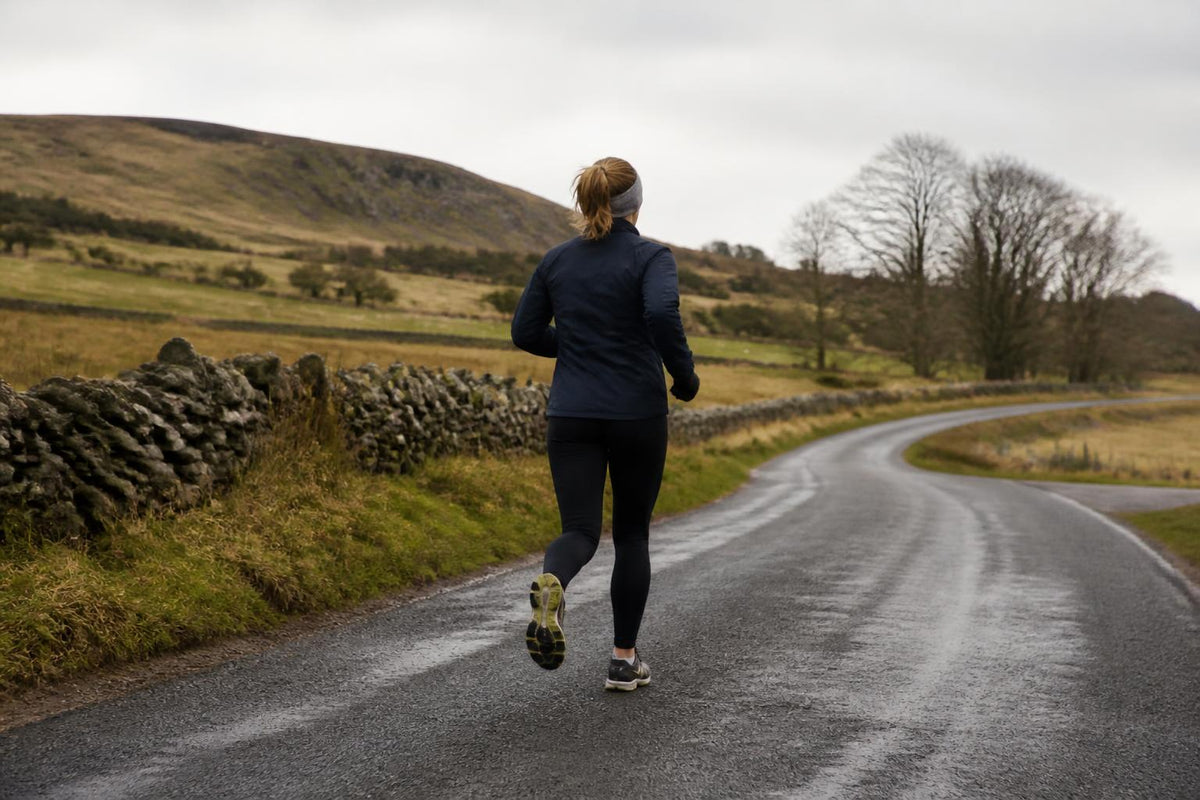
Most women do not need a huge wardrobe to run comfortably in the UK. They need a small set of pieces that manage sweat, stop chafing, move properly, and cope with weather that can change between the front door and the park. Good women’s running kit should make an ordinary run feel easier to get out for, not more complicated to plan.
That matters whether you are starting with short evening runs, building back after time away, or heading out for regular social miles at the weekend. When people search for running kit womens options, they are often trying to sort the genuinely useful from the over-marketed. Our approach at Fair Weather Runner is simple, practical kit for real runs, with the kind of details we also cover in our Field Notes.
What women actually need from running kit
For everyday running, the core jobs of kit are straightforward.
First, it needs to stay comfortable for the full run. That means fabric that manages moisture rather than holding it, seams that do not rub, and a fit that stays put without digging in. Most discomfort on ordinary runs comes from small repeated irritations, not dramatic failures. A waistband that rolls, a top that clings when wet, or socks that bunch in the shoe can spoil a run very quickly.
Second, it needs to help with temperature control. UK running conditions are rarely extreme, but they are often mixed. Cool starts, damp air, a bit of wind, then a warmer finish once you are moving, that is a normal pattern for much of the year. Good kit lets you warm up without overheating and keeps sweat from leaving you chilled when you slow down or stop.
Third, it needs to allow free movement. Running is repetitive, so even a slight restriction gets noticeable over a few miles. Tops should let your shoulders and arms move naturally. Leggings and shorts should stay in place through stride changes, hills, and stops at crossings. If you spend the run tugging at hems or adjusting layers, the kit is not doing its job.
Fourth, it needs to be practical. For ordinary recreational runs, practicality usually means easy layering, useful pockets, weather adaptability, and simple care. If something is awkward to wash, too delicate for regular use, or only works in a very narrow set of conditions, it often ends up left in the drawer.
This is also where expectations should stay realistic. You do not need every technical fabric feature for a 5k after work. You do need pieces that feel good often enough that getting dressed for a run becomes easy.
How to build a simple kit setup without overspending
If you are building a women’s running kit from scratch, start with the pieces that affect comfort most directly.
The first priority is a pair of running socks designed for repeated movement and moisture management. Everyday cotton sports socks can work for very short efforts, but they are often where rubbing and hot spots begin. A proper pair from our running socks for everyday miles collection is a sensible first upgrade because it improves almost any shoe you already own.
Next, focus on bottoms and a top. One reliable pair of leggings or shorts and one or two running tops will cover most beginner and return-to-running needs. Choose these based on season and what you actually wear in ordinary life. If you dislike compression, do not force yourself into heavily compressive leggings because they are marketed as performance kit. If you prefer more coverage, start there.
After that, think in layers rather than complete outfits. A light base layer, an extra long sleeve top, or a fleece layer can extend what you already own across more of the year. This is usually better value than buying separate outfits for every temperature band.
Accessories can come next, but some earn their place quickly. Gloves, a cap, better insoles, or a reusable gel flask may seem secondary until the day they solve a specific problem. Others can wait until you know your habits. For example, if you only run for half an hour close to home, you may not need hydration on every outing. If you are often out in drizzle and wind, headwear may move up your list fast.
A sensible order for most people is this:
- Socks
- Bottoms that stay comfortable in motion
- Tops for the season you are in now
- One extra layer, usually a base layer or light outer layer
- Small accessories that solve the issues you notice on your actual runs
That keeps spending tied to use, rather than to the idea of becoming a runner.
Choosing tops, leggings and shorts that feel right in motion
The best test for tops, leggings and shorts is not how they look standing still. It is how they feel ten minutes into a run.
For tops, start with fabric weight. Lighter fabrics are useful in warmer weather or for runners who heat up quickly. Midweight fabrics often suit UK conditions better because they cope with cool air and light damp without feeling flimsy. The key is that the fabric should move moisture away from the skin and dry reasonably quickly.
Fit matters just as much. Some runners prefer a closer fit that does not flap in the wind or stick awkwardly under layers. Others want a bit more room through the torso. Neither is more correct. What matters is that the top does not pull across the chest or shoulders, and that it keeps its shape when damp. Flat or low-profile seams are worth looking for, especially under the arms and around the neckline.
A base layer is especially useful in UK conditions because it broadens the range of temperatures one outfit can handle. Under a long sleeve top or light fleece, it can make a cool or windy run much more comfortable without adding bulk. We stock a practical range of running and training clothing for layering through the year, including pieces that work well for ordinary runs rather than only hard sessions.
For leggings, the main considerations are hold, coverage, seam placement, and waistband design. Some women like firm support through the hips and thighs. Others want a softer feel with stretch and less compression. Coverage matters too. If you want confidence in bright light, rain, or when bending and moving through warm-ups, fabric opacity is part of comfort.
Waistbands deserve more attention than they usually get. A good waistband should stay in place without pinching or rolling. High-rise styles can feel more secure for many runners, especially on social runs where you may be stopping and starting. The wrong waistband becomes irritating very quickly, particularly on damp days.
Seams around the inner thigh and gusset area can also make or break leggings. If you know you are prone to chafing, prioritise smoother construction and fabrics with a clean hand feel. Pockets are useful, but only if they do not distort the fit or bounce when loaded.
For shorts, think first about the kind of movement you do. If you are mainly on road or path, a simple training short may be enough. If you prefer more coverage or dislike thigh rub, a longer fitted short may be a better choice. Lighter shorts can feel excellent in warm weather, but they still need a waistband that stays put and an inner construction that does not irritate.
Some women like to alternate between leggings and shorts even in similar temperatures, simply because one feels less restrictive on that day. That is normal. The right choice is often about comfort preference as much as weather.
The small accessories that make a bigger difference than expected
Accessories are easy to underestimate because they are smaller purchases, but they often solve the most annoying running problems.
Socks are the clearest example. Better running socks can reduce friction, improve moisture handling, and make the shoe fit feel more stable. If one item can improve almost every run, this is it.
Caps and headwear are another. In the UK, they are not only for hot sunshine. A cap can keep drizzle off your face, help on windy days, and make changing light easier to manage. Headbands and other headwear can also help with warmth and sweat control. Our caps and headwear for wet, windy and bright runs are often the kind of purchase people appreciate more after a few uses than they expected.
Gloves are similar. Cold hands can make the whole run feel colder than it really is. Lightweight running gloves are useful far beyond deep winter, especially on early starts, breezy evenings, and shoulder season mornings.
Sunglasses are worth considering for more than summer. Low winter sun, bright overcast glare, and wind can all make a run less comfortable. A pair designed for sport should stay put and avoid bouncing or slipping as you warm up.
Insoles can help if your current shoes feel flat, unsupportive, or unevenly pressured, especially if the upper and outsole are still in decent condition. They are not a cure-all and they do not replace shoes that are genuinely worn out, but they can improve comfort for some runners. We always suggest checking the fit carefully, because insoles change the internal volume of a shoe.
Arm sleeves are a smart in-between option for changeable weather. They let you start warm and adjust as conditions shift, without committing to a heavier top. Our running arm sleeves for flexible layering are particularly handy in those UK conditions where a short sleeve top feels a bit exposed but a full long sleeve feels too much.
Reusable gel flasks are more niche for everyday runs, but still useful. If you are out long enough to want fuel, or you prefer carrying your own hydration or soft nutrition without lots of single-use packaging, they are practical and easy to refill. They also suit runners who like simple, repeatable setups.
What to wear for typical UK weather through the year
UK running weather is usually about combinations, not extremes. The most useful approach is to dress for the conditions you will feel after ten minutes of moving, not while standing still at the front door.
For mild conditions, a short sleeve or light long sleeve top with leggings or shorts is often enough. If there is a slight chill, a base layer under a lighter top can be better than a thick outer piece.
For wet conditions, think quick-drying rather than trying to stay perfectly dry. A cap helps keep rain out of your eyes. A technical top, leggings or shorts that do not become heavy when wet, and socks that continue to feel stable matter more than bulky layers. Avoid cotton, which tends to hold moisture and feel clammy.
For windy conditions, close-fitting layers usually work better than loose ones. Wind finds its way into flappy fabric and makes it feel colder. A base layer, a fitted top, leggings, and gloves if needed can be more effective than simply adding thickness.
For cold conditions, build warmth in stages. Start with a base layer, add a long sleeve top or light fleece, then choose leggings and gloves. Headwear can make a big difference here. Many runners find that keeping hands, ears, and core comfortable matters more than wearing the heaviest possible top.
For warm conditions, keep things simple. A lightweight top or vest, shorts if you prefer them, breathable socks, and sunglasses or a cap if brightness is an issue. If you tend to burn easily, coverage choices may matter as much as cooling. Some runners prefer light arm coverage even in warmth for sun and comfort reasons.
Spring and autumn in the UK often call for the most flexible setups. These are the months when arm sleeves, gloves you can pocket, and lighter headwear really earn their keep.
How to judge fit, care and value before you buy
Good value in running kit is not about finding the cheapest item. It is about buying pieces that get used often, wash well, and work across more than one set of conditions.
For fit, think about your real runs. If possible, mimic movement when trying kit on. Raise your arms, bend, jog on the spot, and check whether waistbands roll, hems ride up, or seams press into awkward places. A top that feels fine standing still can become annoying as soon as your stride lengthens.
Check fabric feel with use in mind. Very soft fabrics can be lovely, but they still need enough structure to cope with sweat and repeated washing. Very light fabrics can be excellent in heat, but less versatile through the year. Ask whether the piece fills a genuine gap in your setup.
Care matters too. Most running kit should be easy to wash regularly. Look for straightforward wash instructions and avoid treating technical clothing like occasional wear. In the UK, where kit often gets washed after damp or muddy outings, durability through repeated laundering is part of value.
Versatility is one of the best signs of a worthwhile purchase. Can the leggings work for running and general training? Can the top layer over a base layer in winter and work on its own in spring? Can the gloves or cap cover more months than you first assumed? The more combinations a piece supports, the better it tends to earn its place.
For shoes, we do not assume we stock the pair you need, and footwear fit is too individual for blanket claims. But general checks still help. Make sure there is enough room in the toe box, that the heel feels secure without slipping, and that the shoe works with the socks and any insoles you actually plan to use. If you add insoles, reassess the fit properly. In the UK, consumer rights around faulty goods are governed by the Consumer Rights Act 2015, so if an item is not of satisfactory quality, not fit for purpose, or not as described, your position is defined under UK law rather than EU-wide rules.
Finally, do not judge value by whether an item sounds technical enough. Some of the most useful pieces in a women’s running kit are the simple ones you reach for repeatedly, the socks that prevent rubbing, the gloves that make a cold run manageable, or the top that always layers well. That is the standard we work to at Fair Weather Runner, operated by Fleeta Limited, whether the product is from KYMIRA or another practical part of the range. We also stock kit across training and cycling, including bib shorts, but for ordinary runs the goal stays the same, comfort you notice because nothing is getting in the way.