
How to choose cooler sports socks for everyday runs
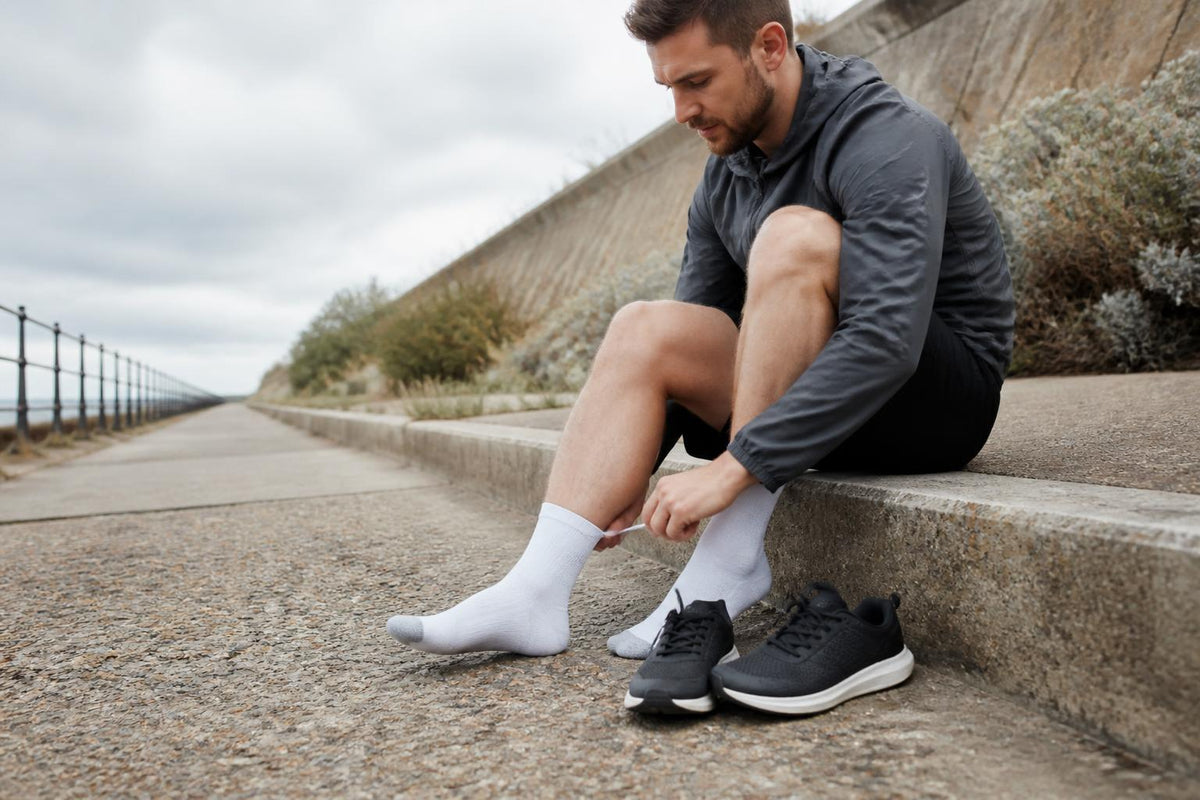
If you want sports socks that feel cooler on everyday runs, start with the basics. Look for a lighter knit, a fabric blend that moves sweat away from the skin, and a fit that stays put without bunching. A sock can only do part of the job, though. How cool it feels also depends on the shoe above it, how much cushioning sits underfoot, and whether the rest of your kit is trapping heat.
For most recreational runners in the UK, the best choice is not the thinnest sock on the shelf. It is the one that balances airflow, moisture handling and comfort for the way you actually run. That matters just as much on a steady 5K as it does in a gym session, a warm parkrun or a ride in bib shorts on a bright weekend morning. Below, we will show you what to look for when choosing cooler sports socks, and what to check before you buy.
What makes a sports sock feel cooler
A sports sock feels cooler for a few practical reasons. The first is fabric blend. Most running socks that feel light and airy use a high proportion of synthetic fibres such as polyamide, nylon or polyester, usually with some elastane for stretch. These fibres do not magically lower temperature, but they can help move moisture away from the skin and dry faster than many everyday cotton socks.
The second factor is knit density. Two socks can look similar in the packet and feel very different once you start running. A tightly knitted sock with lots of padded zones can feel secure and durable, but it may also hold more warmth. A more open knit, especially across the top of the foot, tends to feel better in mild or warm conditions because more air can move through the shoe and around the foot.
Thickness matters more than many runners expect. Extra cushioning under the heel and forefoot can be helpful, especially if you prefer a firmer road shoe or do mixed sessions that include pavement and treadmill work. But more material means more insulation. If your feet often feel hot by the end of an ordinary run, it is worth trying a lighter sock rather than assuming the issue is your shoe alone.
Moisture handling is another big part of that cooler feeling. When sweat sits against the skin, socks feel clammy and warm very quickly. A good running sock does not need to be paper-thin to deal with this well. What matters is that it spreads moisture through the fabric and allows it to evaporate, instead of leaving damp patches under the toes or around the arch.
Shoe airflow plays a part too. Even the best sock cannot overcome a very warm upper or a waterproof membrane that traps heat. If your running shoes have a breathable mesh upper, lighter socks will usually feel noticeably cooler. If your shoes are heavily padded or weatherproof, the difference between sock types may be smaller, but fit and moisture handling still matter.
This is why choosing cool sports socks is really about the whole system. Sock, shoe, weather and pace all work together. We see this often in our Field Notes, where small changes in one layer can improve comfort more than chasing a heavily marketed technical claim.
How to pick the right thickness and height
For everyday runs, thickness should match both the conditions and your comfort preferences. If you usually run in mild weather, your feet warm up quickly, or you prefer a close connection with the shoe, a lighter sock is often the best place to start. It reduces bulk, can improve airflow, and helps prevent that overstuffed feeling in the forefoot.
If you are returning to running, doing longer easy miles, or know that your shoes feel a bit firm underfoot, light to medium cushioning can still make sense. The aim is not to remove all padding. It is to avoid buying a heavily cushioned sock for every run when a lighter option would be more comfortable most of the time.
Height is just as personal, but there are sensible patterns.
Ankle socks suit many summer runs and indoor sessions. They leave more of the lower leg uncovered, which can feel cooler overall, and they work well with shorts and low-cut shoes. The trade-off is that some runners find them more likely to slip if the heel fit is not right.
Crew socks give more coverage and often a more secure feel. They can also protect the ankle from rubbing if your shoe collar sits high or you are running on dusty, dry paths where debris gets into the shoe. In the UK, crew socks are often a practical year-round option because they still work well in mixed weather, especially on breezy mornings that do not feel hot enough for the lightest possible kit.
Longer socks come into play for preference, extra lower-leg coverage, or compatibility with other kit. Some runners like the feel of calf coverage on cooler starts, and cyclists may want a longer sock for comfort inside close-fitting kit. But if your main goal is to keep feet cooler, more fabric up the leg will not usually be the first choice for warm conditions.
If you are unsure, build from the middle. A lightweight or lightly cushioned crew sock is often the most versatile option, then add ankle socks for the warmest days and keep thicker pairs for winter or recovery days.
Which fabrics are worth looking for
For UK runners, the most useful way to compare sock fabrics is to think in terms of feel, drying time, durability and how they behave after repeated washing.
Synthetic blends are the most common choice for running socks, and for good reason. Nylon or polyamide usually adds durability. Polyester often helps with moisture movement and lightness. Elastane gives the sock enough stretch to hold its shape and stay in place. In practical terms, this is the blend most runners will find easiest to live with for regular road running, gym work and social runs.
Cotton is comfortable in everyday socks but less ideal for running if you want a cooler, drier feel. It can absorb and hold moisture, which leaves the sock heavier and damper once you start sweating. That does not mean every sock containing some cotton is unusable. It does mean a high-cotton sock is rarely the best choice for training.
Merino wool blends are worth a look if you run across a wide range of UK conditions and prefer a softer feel. Merino can be comfortable against the skin and useful in changeable weather, but it does not automatically mean a sock will feel cooler in summer. Much depends on the weight of the knit and how much merino is blended with synthetics. For many runners, merino blends are especially good in shoulder seasons rather than on the hottest days.
Some socks include branded fibres or mineral-infused yarns, such as KYMIRA in broader sportswear ranges. The right approach is to read the actual fabric composition and construction details, not just the headline material story. A well-made synthetic running sock with sensible ventilation zones can feel cooler than a thicker sock built around a more premium-sounding fibre.
This is also where product pages matter. We always recommend checking the current details on our running socks for everyday training, because blend, cushioning and available variants can change over time.
How fit affects heat, rubbing and comfort
Fit is one of the biggest reasons a sock feels either cool and forgettable, or hot and irritating. If a sock is too large, excess fabric can bunch under the arch or at the toes. That creates friction, traps warmth and makes the shoe feel less stable. If it is too small, the knit stretches too tightly across the foot, which can reduce comfort and sometimes make the sock feel denser and warmer than it should.
Start with the size guide and be realistic about where you sit in the range. If you are between sizes and prefer a roomier toe box in your shoes, the better choice is not always to size down for a tighter sock. A sock that is under too much tension can pull at the toes and heel.
Toe shape matters more than many people realise. Some socks taper sharply at the front, while others allow a more natural spread. If the toe box of the sock fights the shape of your foot, your toes end up compressed together. That can make feet feel hotter, especially on longer runs or in warmer weather.
Stretch and recovery are important too. A sock may feel fine when first worn but lose shape after a few washes. Once that happens, movement inside the shoe increases. Even slight slipping at the heel or a twist through the forefoot can create rubbing and a warmer, less comfortable feel.
The cuff matters as well. Too loose, and the sock may slide. Too tight, and it can feel restrictive around the ankle or lower calf. Most runners do best with a secure but unremarkable cuff, meaning one you stop noticing after the first few minutes.
If you are fine-tuning fit for steady mileage, our Field Notes on sports socks for longer, easier runs goes into more detail on how comfort changes over time, not just in the first kilometre.
When cooler socks matter most in running, training and cycling
Cooler-feeling socks matter most when heat build-up is likely, or when you are doing the kind of session where damp, heavy feet become distracting.
Warm-weather runs are the obvious example. A light, breathable sock can make a genuine difference on sunny road runs, especially if you start cool and finish much warmer than expected. In the UK, that often means late spring through early autumn, but it can also mean bright winter days when the air is cold and the effort level is high.
Gym sessions and indoor training are another common case. Treadmills, circuits and indoor classes often create a warmer environment than outdoor running, with less natural airflow around the whole body. Here, a lighter sock often feels better than a cushioned pair you might prefer on longer outdoor runs.
For social runs and ordinary weekday training, comfort over an hour matters more than lab-style performance claims. If your sock stays dry enough, does not slide, and does not overheat your foot, that is usually the right result. The same thinking applies if you wear a base layer in cooler conditions. You want each piece to support the others. If the top half of your body is well regulated but your feet are packed into thick socks, comfort still drops. Our current sports base layer options are a good reminder that temperature management works best across the whole outfit.
Cycling adds a slightly different set of demands. Feet spend longer in a fixed position, shoes are often snug, and ventilation varies a lot between road and indoor setups. On a warm ride, especially indoors or on a still day, a lighter sock can be far more comfortable than a plush running sock. If you ride in bib shorts and close-fitting shoes, reducing bulk around the foot often matters as much as reducing heat.
That does not mean the coolest possible sock is always best. On mixed-weather days, or if you move between outdoor running and standing around before or after a session, a little more coverage may be welcome. The point is to match the sock to the session, not to expect one pair to suit every run, workout and ride.
What to check before you buy
Before buying, look past the headline description and check the details that affect everyday use.
First, check the fabric composition. Look for the balance between synthetic fibres, stretch and any natural fibres. This gives you a better clue than a marketing label alone.
Second, check the cushioning description. Brands usually indicate whether a sock is lightweight, lightly cushioned or more heavily cushioned. If the product page is not clear, look closely at the images for padded heel and forefoot zones.
Third, confirm the height. Ankle and crew are not interchangeable if you are trying to solve a rubbing issue or want a particular look with your training kit.
Fourth, think about your main use. A sock for short summer runs may not be the same sock you want for winter miles, gym sessions and weekend rides. If you can, build a small rotation rather than expecting one pair to cover everything.
Fifth, check washing instructions. In the UK, most sports socks are straightforward to care for, but repeated hot washes and tumble drying can shorten their life or affect elasticity. Following the care label helps preserve fit, which in turn helps preserve comfort.
Sixth, think about durability in the places you normally wear socks out. If you often get holes at the big toe or thinning at the heel, look for reinforcement in those zones rather than simply buying thicker socks across the whole foot.
Seventh, consider compatibility with your existing kit. A slim-fitting shoe, compression-style calf sleeve, or close-cut legging can all change what feels comfortable. If you use sleeves in colder weather, our gloves and calf sleeves for training conditions can help you think about lower-leg layering without adding unnecessary warmth at the foot itself.
Finally, check current availability before deciding on a specific pair. Fair Weather Runner is a live UK store operated by Fleeta Limited, and colours, sizes and variants do change. The same applies across our wider range, whether you are looking at socks, a base layer, leggings, caps or cycling kit.
Choosing cooler sports socks for everyday runs is mostly about getting the fundamentals right. Go lighter if your feet run hot, pay attention to fit, and treat socks as part of the whole clothing system rather than a stand-alone fix. If you do that, you are far more likely to end up with socks you actually want to wear on ordinary runs, which is what matters most.
Are thin sports socks always better in hot weather?
Not always. Thinner socks often feel cooler, but the best choice also depends on shoe fit, ventilation and how much cushioning you prefer. Too thin can feel harsh or allow extra movement.
Do cotton socks keep feet cool for running?
Many runners find cotton less practical once feet get sweaty, because it can hold moisture. For running or training, blended technical fabrics are often the more comfortable everyday option.
Should running socks be tight?
They should feel close-fitting rather than restrictive. A secure fit helps reduce bunching and rubbing, but socks that are overly tight can feel hot and uncomfortable.
Can the wrong shoes make cool socks feel warm?
Yes. Even a light sock can feel warm in a shoe with a snug fit or limited airflow. Sock comfort depends on the whole setup, not the sock alone.
Are longer socks hotter than ankle socks?
Sometimes, but not automatically. Height changes coverage more than it changes everything else. A light crew sock can still feel comfortable if the fabric and fit are right.