
How to choose a men’s base layer for UK running
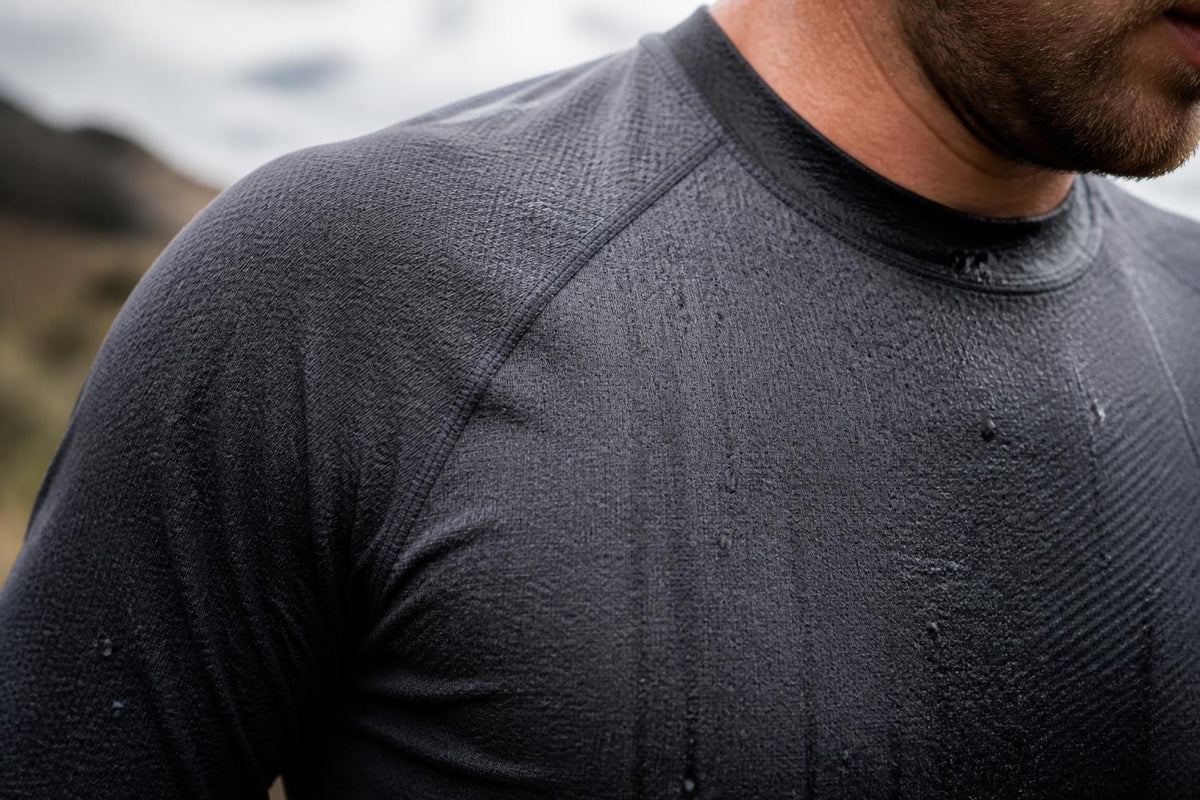
Choosing a men’s base layer for UK running is mostly about matching it to the weather you actually run in, not the weather you imagine when buying kit. For most of us, that means damp mornings, breezy evenings, light rain, and temperatures that can feel very different at the start and end of the same run. A good base layer helps manage that by sitting close to the skin, moving sweat away, and adding a bit of warmth without the bulk of a sweatshirt.
If you are comparing men’s base layers in the UK, the best choice is usually not the thickest or most technical-looking option. It is the one that fits close without feeling restrictive, suits the temperatures you run in most often, and layers easily with the tops and jackets you already own. That is what makes it useful week after week, rather than something that only comes out a few times each winter.
What a base layer actually does for everyday UK running
A base layer is the first layer next to your skin. Its job is simple. It helps regulate comfort when you are moving between cool air outside and the heat your body builds once you settle into a run. In UK conditions, that matters because the weather is rarely steady. A dry 7°C morning can feel comfortable in one setup, while a windy 7°C evening with drizzle can feel completely different.
A standard running T-shirt or long sleeve top can be enough in mild conditions, especially if you warm up quickly or prefer to feel cool. A base layer becomes more useful when any of the following apply:
- the air is cool enough that the first 10 to 15 minutes feel sharp
- there is enough wind to chill damp fabric
- you are running easy rather than hard, so you generate less heat
- you are layering under a half zip, fleece or light jacket
- you want closer contact against the skin than a regular top gives
That close contact is the key difference. A base layer works because it stays in place. It does not flap, bunch, or leave cold gaps around the waist and wrists when you move. On a social run, an easy recovery run, or a stop-start session where you are standing around between efforts, that extra consistency can make a noticeable difference.
It is also worth saying what a base layer does not do. It does not make bad layering decisions disappear. If you wear a heavy insulated jacket over a warm thermal top in 10°C weather, you may still overheat. If you choose cotton underneath a waterproof shell in cold rain, you may still end up clammy and chilled. A base layer helps, but it works as part of a system.
For many runners, the most useful role of a base layer is extending the range of kit they already own. A lightweight long sleeve top that feels too cool on its own in late autumn may work perfectly once you add a close-fitting layer underneath. That is often a better everyday solution than buying separate tops for every possible temperature.
Which fabric makes sense in cool, wet and mild conditions?
For ordinary recreational running in the UK, the practical fabric choice usually comes down to synthetic, merino-rich, or a blend of the two. You will also see different fabric weights, from very light options for cool spring mornings to heavier thermal pieces for winter.
Synthetic base layers, usually polyester, polyamide or elastane blends, are the most common. They tend to dry quickly, feel light, and cope well with frequent washing. For runners who go out several times a week, that matters. A synthetic base layer is often the easiest all-round choice for cool and damp conditions because it layers neatly and does not stay heavy when it gets wet from sweat or drizzle. If you are browsing sports base layers for running and training, this is often the category that gives the broadest day-to-day use.
Merino wool or merino blends can feel softer and less sporty in the hand, and many runners like them for steady winter miles, walking to the start, or mixed use beyond running. They can be very comfortable in cool weather, but it is still worth checking the blend and construction rather than assuming every merino piece behaves the same way. Some are better suited to lower-intensity outdoor use than repeated hard runs and frequent machine washing.
Blended fabrics sit in the middle. These combine synthetic fibres with wool or added stretch fibres to balance softness, shape retention, durability and drying speed. In practice, this can be a sensible option if you want something comfortable enough for long easy runs but robust enough for regular weekly wear.
Weight matters as much as fibre. In broad terms:
- Lightweight base layers suit mild conditions, changeable spring and autumn weather, and runners who heat up quickly.
- Midweight options are often the best single purchase for UK winter running because they cover the widest range.
- Heavy thermal pieces are useful for genuinely cold days, but they are easier to overdo unless you know you feel the cold.
That is why we generally suggest starting with the conditions you run in most often, not the coldest day you can remember. In much of the UK, a lightweight or midweight base layer will get more use than a very thick thermal top.
You may also come across infrared or heat-retention claims in some ranges, including KYMIRA. These products can have a place, especially for runners who feel the cold or want a warmer close-fitting layer without obvious bulk. The sensible way to judge them is still practical use. Look at the weight, the cut, how breathable the fabric feels, and whether it suits your usual pace and conditions.
One fabric we would avoid for the first layer in UK running is cotton. Cotton can feel fine when dry, but once it becomes damp it tends to hold moisture and feel colder against the skin. For short jogs in mild weather that may be tolerable, but it is rarely the best choice for a dedicated base layer.
How should a men’s base layer fit?
A men’s base layer should fit close, but not tight in the way compression gear is often marketed. For most recreational runners, the right fit is one that follows the body without pinching at the shoulders, pulling across the chest, or riding up at the waist.
A good check is to put it on and move through the motions you actually use on a run. Reach forward, swing your arms, rotate through the torso, and lift your knees. The fabric should stay in contact with the body, but you should not feel seams dragging or the hem climbing every time you move.
Here is what we look for in a practical fit:
- Shoulder seams that sit flat and do not rub under a second layer
- Sleeves long enough to cover the wrist bone when your arms are bent
- A body length that still covers the waistband of shorts or leggings when you stride out
- Enough stretch through the chest and upper back for natural arm swing
- No loose folds under the arms or around the lower back
If a base layer is too loose, it loses some of its point. Air pockets form, damp fabric shifts around, and layering becomes less tidy. If it is too tight, you may notice restricted breathing, bunching at the elbows, or irritation around the neck and underarms.
This matters even more if you wear more than one top. A properly fitted base layer should disappear underneath a long sleeve running top or light jacket. It should not create pressure points or make the outer layer sit awkwardly. If you often run in a quarter zip or fitted winter top, a smooth close fit is usually better than a thick brushed fabric with lots of bulk.
Neck shape is personal, but practical. A crew neck is versatile and easy to wear under most tops. A higher neck can be useful in colder or windier conditions, but make sure it does not feel restrictive once you warm up. Thumbholes can help keep sleeves in place and add a little hand coverage, though not everyone likes the extra tension they can create around the wrists.
Sizing can vary between brands, so it is worth checking product measurements and cut. If you are between sizes, think about how you will wear it. If it is mainly going under other layers, the closer of the two sizes is often better, provided it does not feel strained across the shoulders or chest.
When to wear a base layer on its own and when to layer it
A base layer can work on its own, especially in cool but not cold conditions. A lightweight long sleeve fitted top is often ideal for those in-between UK days when a T-shirt feels skimpy but a jacket would be too much. This is common in early autumn, late spring, and mild winter spells.
On its own, a base layer tends to work best when:
- the air is cool rather than cold
- there is little wind
- you are running continuously rather than stopping often
- rain is unlikely, or only light
- you prefer a simple one-layer setup
Once conditions become wetter, windier, or colder, layering makes more sense. A base layer under a regular long sleeve top can be enough for many steady runs. Add a light fleece or brushed mid layer if you run cold or are heading out early and know the temperature will stay low.
For more exposed winter conditions, a common UK setup is:
- close-fitting base layer
- long sleeve running top or light thermal top
- wind-resistant or water-resistant outer layer if needed
That outer layer does not need to be a heavy jacket. Often a light shell is enough to cut the wind and keep drizzle off while the base layer manages comfort underneath. If the shell has very little breathability, be more cautious about how warm your first layer is. Overdressing is common, especially when getting ready indoors.
Accessories matter as much as tops once the temperature drops. Gloves, a cap or headband, and suitable socks can make a bigger difference than moving from one midweight top to another. If your hands run cold, solve that directly rather than piling on extra layers over your torso. The same goes for ears and forehead in wind. We stock the wider kit that supports this, from headwear to gloves and socks, because a sensible winter setup is rarely just one garment.
Legwear also affects how warm your upper body feels overall. If you are comfortable below the waist, you may need less on top. If you are building a more complete cool-weather kit, it is worth looking across our men’s sportswear for running and training rather than treating the base layer in isolation. The same principle applies if you also ride and already own cycling kit such as bib shorts or winter tights. Some pieces can overlap in use, but running comfort usually depends on freedom of movement and moisture handling rather than simply wearing the warmest item available.
For very cold starts, think in stages. Dress for how you will feel after 15 minutes, not while standing at the front door. If you are comfortable before you begin, there is a fair chance you are slightly overdressed. The exception is slower social running, where standing around before and after the run can justify an extra outer layer you can remove later.
What to check before you buy
Before buying a base layer, it helps to be clear about the gap it is meant to fill. If you already own several long sleeve tops that work in mild weather, you may not need another one. You may need a close-fitting first layer for colder mornings, or a lighter option that sits comfortably under a jacket.
Our practical checklist is simple.
Check the sleeve length. Short sleeves can work under another top, but long sleeves are usually more versatile for UK running. They cover more skin, reduce the cold gap at the wrist, and pair better with gloves.
Check the seams. Flat seams or well-finished low-profile seams are worth looking for, especially under the arms, across the shoulders and around the neckline. These are the areas most likely to irritate on repeated runs.
Check the neck shape. Crew necks suit most runners. A higher neck can be useful in winter, but only if it still feels comfortable once you heat up. If you dislike anything close around the throat, do not talk yourself into one because it looks warmer on the hanger.
Check the fabric weight honestly. If you mostly run in southern England on short evening runs, a heavy thermal top may spend more time in the drawer than on your back. If you run through winter in Scotland, northern England, Wales or more exposed rural areas, a warmer option may earn its place. Local conditions matter more than generic seasonal labels.
Check the care instructions. Running kit gets washed often. If a garment needs special treatment you know you will not keep up with, it may not be the right everyday choice. Easy care matters for regular use.
Check durability at likely wear points. Look at the cuffs, side seams, underarm panels and hem recovery. A base layer is stretched on and off repeatedly, and it spends time under other layers, hydration vests or jackets. It needs to keep its shape.
Check how it fits with the rest of your wardrobe. If you already own fitted winter tops, a very bulky thermal layer may not sit well underneath. If your outer layers are roomier, you may have more flexibility.
Finally, check whether you are buying for real use or for the idea of becoming a different sort of runner. Most of us need kit for ordinary weekday miles, weekend parkruns, social runs and the occasional drizzly long run. That is exactly where a well-chosen base layer earns its keep.
If you are building out the rest of your setup at the same time, do not overlook socks. Comfortable layering starts at the feet as much as the torso, and our guide to men’s running socks that stay comfortable is a useful next step.
At Fair Weather Runner, our Field Notes are there to help you buy the kit you will actually use. We are a UK online running, training and cycling shop operated by Fleeta Limited, and we focus on practical choices for real conditions. When you are choosing among men’s base layers in the UK, that usually means starting with fit, fabric weight and layering compatibility, then working outward from there. Get those right, and one good base layer can cover a large part of the British running year.
Do I need a base layer for running in the UK?
Not always. In mild weather, a normal running top may be enough. A base layer becomes more useful when it is cool, damp, windy or when you want steadier comfort across changing conditions.
Should a men’s base layer be tight?
It should sit close to the body without feeling restrictive. If it rides up, pinches under the arms or feels hard to breathe in, it is too tight for comfortable everyday running.
Is a long-sleeve base layer better than a short-sleeve one?
Long sleeves are often more versatile for UK autumn and winter running. Short sleeves can still work well under another layer or on cooler spring days when full arm coverage feels too warm.
Can I wear a base layer on its own?
Yes, if the temperature and wind suit it. Many runners wear a base layer alone in cool but not cold conditions, then add an outer layer when rain, stronger wind or lower temperatures make that more comfortable.
How many base layers do most runners need?
For ordinary recreational running, one or two good options often cover most use: for example, a lighter one for cool days and a warmer one for colder weather.