
How to keep your hands dry on wet winter runs
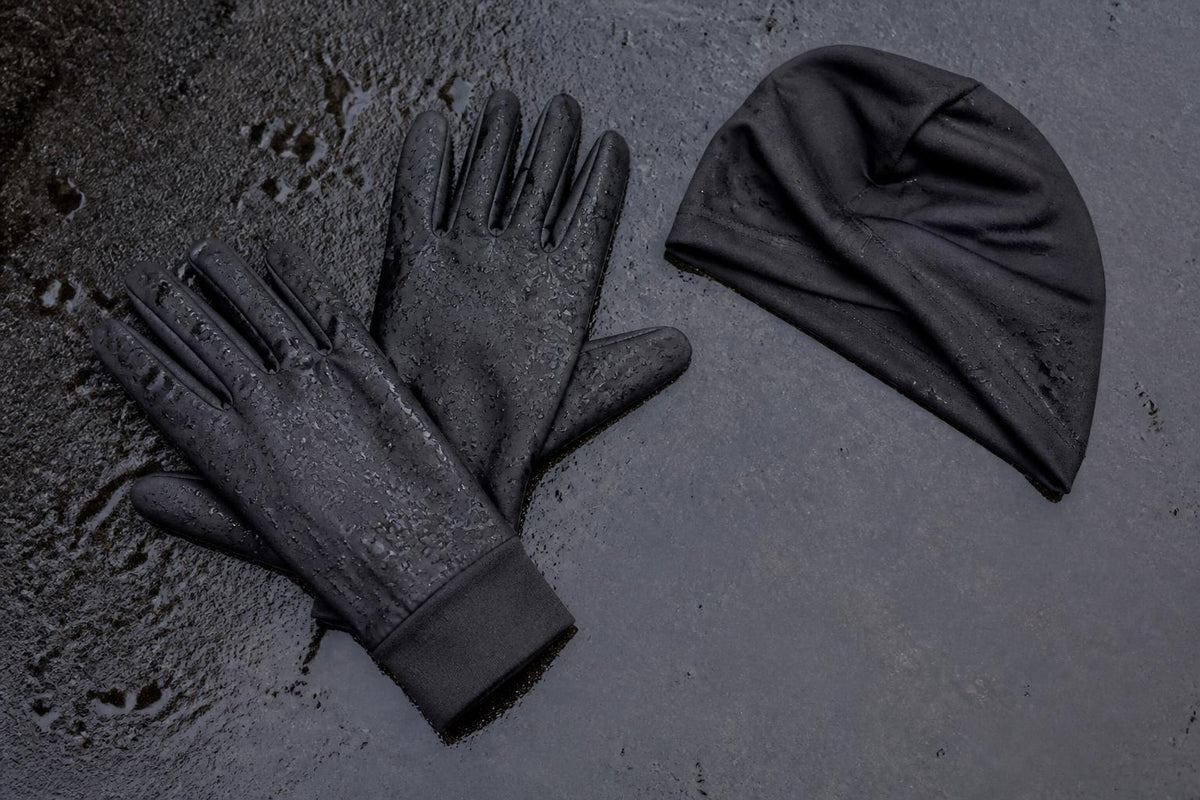
Cold, wet hands can spoil a winter run faster than most people expect. Once your fingers are numb, simple jobs like opening a gate, using your watch or taking out a gel feel awkward, and that discomfort tends to spread. The right gloves help, but “waterproof” is not automatically the best answer for every run.
For most UK runners, the aim is not to seal your hands off from all moisture at all costs. It is to stay warm enough, dry enough and comfortable enough for the conditions you actually run in. That usually means understanding when waterproof running gloves are worth the extra protection, and when a lighter pair will do the job better.
When waterproof running gloves are actually worth it
In the UK, winter rarely gives us one neat set of conditions. We get drizzle that lasts all morning, short heavy showers, sleet, wet wind, cold road spray, muddy paths and air that feels mild until your hands have been wet for half an hour. That mix is exactly why some runners do well with waterproof gloves and others find them unnecessary.
They are most useful when you expect sustained wet exposure rather than just a cold start. Think of a long run in steady rain, a coastal route with strong wind and spray, a trail run where you will brush through soaked hedges, or a commute run where you cannot simply head home if your hands get chilled. In those cases, keeping rain out matters because wet fabric loses comfort quickly, and your hands are one of the first places you notice it.
They are also helpful if your circulation tends to run cold. Some runners are comfortable in thin gloves well into winter. Others lose warmth in their fingers as soon as the weather turns damp. If you are in the second group, waterproof gloves can make the difference between an enjoyable run and a miserable one.
There are plenty of times, though, when a fully waterproof glove is more than you need. On a short evening 5K in light drizzle, a water-resistant glove is often enough. If the forecast is dry but cold, a breathable thermal glove may feel better because it lets heat and moisture escape more easily. The same applies to harder efforts such as tempo runs, hill reps or parkrun, where sweat build-up can become more noticeable than rain.
That is why we encourage people to think in terms of conditions, route and effort, not just season. A January social run in intermittent showers calls for different hand protection from a windy canal path run in persistent rain. If you are building a small winter kit rather than buying one pair to solve everything, it often makes sense to compare our range of running gloves alongside lighter winter options instead of assuming the most weatherproof pair will be the most useful.
What waterproof really means in a running glove
“Waterproof”, “water-resistant” and “windproof” are often used loosely, but they do not mean the same thing.
A waterproof glove is built to stop rain from passing through the outer and reaching your skin. That usually involves a membrane or barrier layer, plus construction details that reduce water entry. It should cope with proper rain better than a standard fabric glove.
A water-resistant glove slows water down rather than blocking it completely. It may shrug off light rain, road spray or a damp start, but in persistent wet weather it will eventually soak through. For many runners, that is still enough, especially on shorter outings.
A windproof glove is designed to block cold air. That can make a huge difference on exposed routes because wind strips warmth quickly, even when conditions are technically dry. Some windproof gloves handle light moisture well, but wind protection alone is not the same as waterproofing.
The trade-off is breathability. The more a glove resists outside water, the harder it can be for inside moisture to escape. On a run, that inside moisture is usually your own sweat. If the glove traps too much of it, your hands can end up feeling clammy or even damp despite the rain staying out. That is not a sign the glove has failed. It is the balance every weatherproof glove has to manage.
This matters because many runners expect waterproof running gloves to feel dry in every sense. In practice, “dry” often means protected from rain rather than free from all internal moisture. On an easy run in cold rain, that trade-off is usually worthwhile. On a harder effort in milder temperatures, it may not be.
It is also worth paying attention to where water enters. A glove can have a waterproof upper, but if rain runs down your sleeve into the cuff, your hands may still feel wet. That is one reason glove choice should be considered alongside sleeves and jacket cuffs, not in isolation.
If you want a broader view of winter glove choices, our Field Notes guide on how to choose running gloves that stay useful all winter is a good place to compare weather protection with everyday wearability.
How to choose the right pair for comfort and control
A glove that keeps rain out but makes your hands feel clumsy is unlikely to become a favourite. For running, comfort and control matter as much as weather protection.
Start with fit. Gloves should be close enough that the fabric moves with your hand, but not so tight that they restrict circulation or put pressure on the fingertips. If there is too much spare room at the ends of the fingers, you lose dexterity and the insulation works less efficiently. If the glove is overstretched across the palm, you often feel cold sooner because the materials cannot trap warm air properly.
Cuff length is easy to overlook but makes a real difference. A short cuff can be fine with a close-fitting sleeve. In heavier rain, a longer cuff often works better because it gives you more overlap with your jacket or top. The key is to avoid gaps where cold air or water can get in.
Grip is another practical point. Winter runs involve more than swinging your arms. You may need to hold a phone, adjust a zip, carry a soft flask or steady yourself on a gate. A palm with some texture is usually more useful than a smooth, slippery finish. That matters even more if you carry hydration, so it is worth thinking about gloves as part of your wider running essentials for winter training.
Dexterity matters if you use a watch, need to handle keys or want to take quick photos without removing your gloves. Thick insulation can be warm, but it can also make every small task fiddly. Many runners are better served by a lighter, more flexible glove that they will actually keep on for the whole run.
Lining affects comfort too. A soft inner can feel warmer straight away, but heavily brushed linings may hold more moisture and take longer to dry between runs. Smooth linings can make gloves easier to put on with slightly damp hands, which is useful on back-to-back winter days.
Seams are worth inspecting. Bulky internal seams can rub, especially if you clench your hands when cold. Well-placed seams generally feel less noticeable over distance. If you are prone to irritation, this can matter more than an extra layer of insulation.
Finally, look for visibility details if you run on dark winter mornings or evenings. Reflective trims on gloves are not a substitute for broader visibility measures, but they do add movement cues that are helpful around roads and crossings.
What to wear with them on cold and wet runs
Gloves work best when the rest of your kit supports them. If the rest of your clothing leaves you overheated, damp or exposed at the wrists, even good gloves can struggle.
Start with your upper body layering. A sensible winter setup usually begins with a breathable base layer that moves moisture away from the skin. Over that, you might add a light thermal top or a weather-resistant outer depending on temperature, wind and rain. If your core is underdressed, your body often reduces warmth to your hands first. If your core is overdressed, you sweat more, which can leave your hands feeling damp inside the gloves.
Sleeve and cuff pairing matters more than people think. If your jacket cuff is loose and sits above the glove, rain can run straight into the wrist opening. In prolonged wet weather, it is often better to create a deliberate overlap, either glove under sleeve or glove over sleeve, depending on the cut of each piece. There is no universal rule. The best setup is the one that stops water pooling at the wrist while still letting you move comfortably.
Arm coverage can help with those in-between days when a full heavy jacket feels too much. Some runners like using light arm sleeves for changeable weather with a suitable top, especially when conditions are cool, damp and variable rather than relentlessly wet.
Think about your headwear as well. If rain is blowing into your face and down your sleeves because you are constantly wiping your brow, the whole system works less well. A cap or suitable headwear can make a surprising difference to overall comfort by keeping rain off your face and helping you avoid unnecessary fiddling with wet gloves. Our running caps and headwear collection covers the sort of everyday options many UK runners use through winter.
The main point is to dress so your hands are not doing all the work. Waterproof gloves are a useful tool, not a fix for an unbalanced kit setup.
Common mistakes that leave hands cold anyway
One of the most common mistakes is choosing gloves that are too thick. Thick gloves sound warmer on paper, but if they make your hands sweat early in the run, that moisture can leave you colder later. For many UK winter runs, moderate insulation with sensible weather protection is more useful than maximum bulk.
Another mistake is buying gloves that are too loose. Air gaps at the fingertips, fabric bunching in the palm and a cuff that shifts around all reduce comfort. Loose gloves also make it harder to do simple tasks, which means you are more likely to take them off mid-run and expose your hands to cold air and rain.
A third is using fully waterproof gloves for every winter outing, including mild, dry or high-effort sessions. That can lead to overheating and disappointment, because the gloves feel clammy and less comfortable than expected. Conditions matter. Mixed UK weather often rewards flexibility more than extremes.
Drying time is another issue people notice only after purchase. Some gloves feel fine on the first run but become awkward if they stay damp for a day and are still not ready for the next outing. If you run several times a week, practical drying time matters almost as much as weather protection.
Poor cuff pairing causes plenty of problems too. Water entering from the wrist is often mistaken for glove failure. In reality, the issue may be sleeve overlap, jacket design or repeated exposure from adjusting clothing in the rain.
Finally, some runners buy for the coldest day they can imagine rather than the conditions they actually face most often. If most of your winter running is 30 to 60 minutes on roads, paths or social runs, you may get more use from a balanced glove than an expedition-style one. That is especially true for the Fair Weather Runner crowd who want dependable kit for ordinary training, not gear that only comes out a few times each season.
How to look after waterproof gloves so they keep working
Waterproof gloves need straightforward, regular care. Neglect shortens their useful life faster than most people realise.
After a wet run, dry them promptly. Do not leave them balled up in a pocket, kit bag or on the car floor. Turn them the right way out if the care label advises it, open the cuffs and let them air dry fully before the next use. Avoid putting them directly on a radiator or other intense heat source, because that can damage laminates, coatings and elastic elements.
Wash them only as needed, but do wash them. Sweat, skin oils and road grime all affect comfort and fabric performance over time. Follow the care instructions on the glove itself. In general, mild washing is safer than harsh detergent, fabric conditioner or strong stain treatment. Fabric conditioner is especially unhelpful on technical fabrics because it can interfere with moisture management and finishes.
If the gloves have a durable water-repellent outer finish, you may notice that the face fabric starts to wet out over time. That does not always mean the waterproof layer underneath has failed, but it can make the glove feel heavier and colder. Cleaning the gloves properly sometimes helps restore performance. Some products can also be reproofed, but only use treatments suitable for the materials and construction involved.
Store them somewhere dry and uncompressed. Do not leave them permanently stuffed inside another glove, under heavier kit or in a damp shed. If you rotate winter kit, keep pairs together so you are not hunting for one glove on a dark morning.
It is also worth checking seams, fingertips and grip areas every so often. Small signs of wear tend to show up there first. Catching damage early gives you a better chance of keeping a useful pair in service rather than discovering a problem halfway through a rainy run.
At Fleeta Limited, our Field Notes are built around this sort of practical reality. Good winter kit does not need to be complicated, but it does need to suit the weather, your running and the way you actually use it. Whether you wear waterproof gloves regularly or only in the worst conditions, the best choice is usually the one that keeps your hands comfortable without making the rest of the run feel harder than it needs to.
Are waterproof running gloves better than normal winter gloves?
They can be, especially in cold rain and strong wind. In drier cold weather, a lighter thermal glove may feel more comfortable because it usually breathes better and dries faster.
Will waterproof gloves stop my hands getting sweaty?
No. Waterproof fabrics can trap heat and moisture from the inside. For running, the best pairs balance rain protection with enough breathability to limit clammy hands.
Should running gloves be tight or loose?
They should fit close without squeezing. A snug fit helps warmth, grip and control, but gloves that are too tight can restrict movement and make hands feel colder.
Do I need insulated waterproof gloves for UK running?
Not always. For many UK runs, light or midweight waterproof gloves are more versatile. Heavier insulation can suit very cold, slow or exposed conditions but may feel too warm on steady runs.
Can I use cycling gloves for running in the rain?
Sometimes, but not all cycling gloves suit running well. They may be bulkier, warmer or shaped for handlebar grip rather than natural arm swing and everyday running comfort.